Harajuku: Tokyo’s Most Creative Neighborhood
Save or share
Harajuku: Tokyo's Most Creative Neighborhood
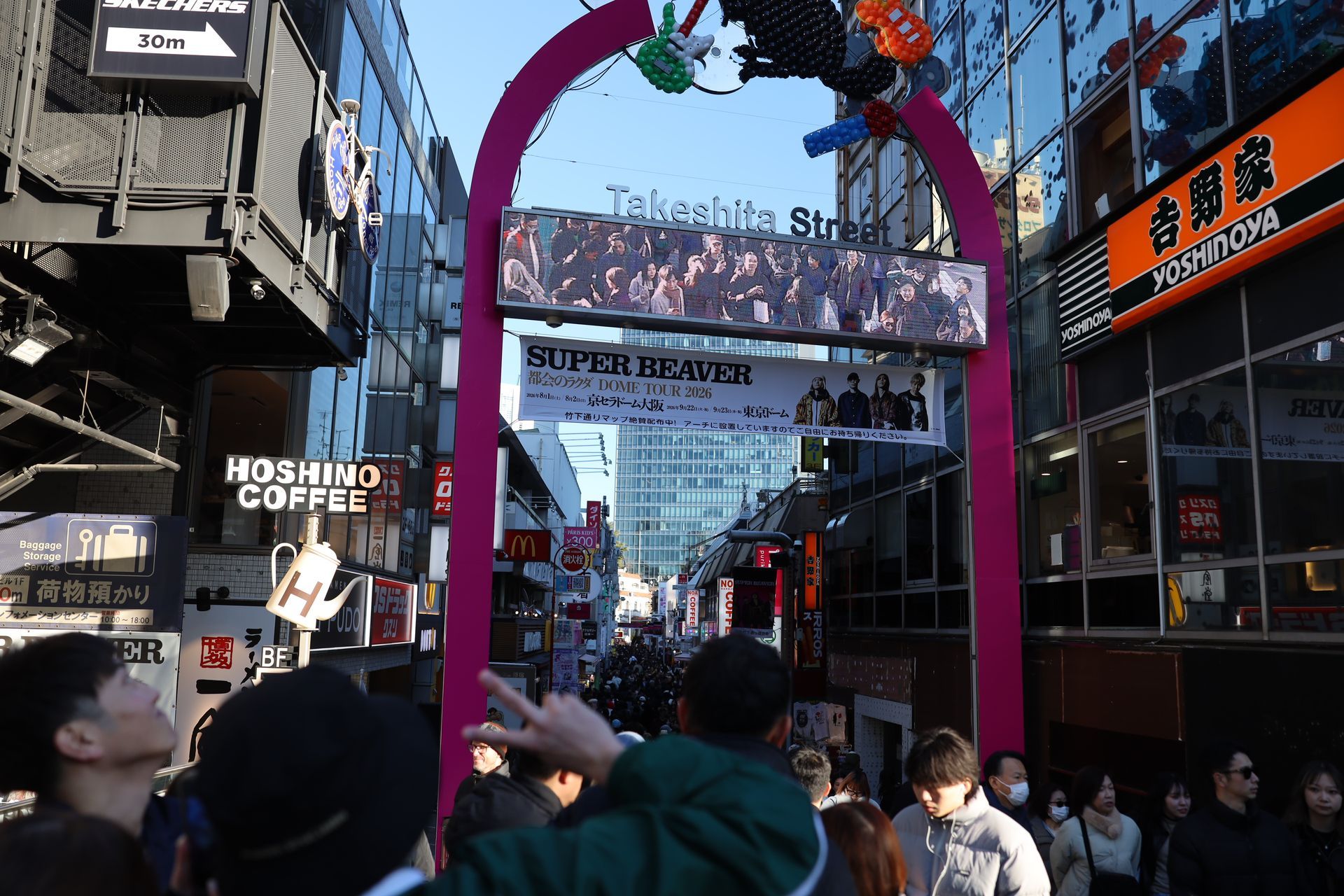
We didn’t go to Harajuku with a checklist. But it didn’t take long to realize this is one of the most distinct neighborhoods in Tokyo—and one of the easiest to underestimate if you don’t know what you’re looking at.
Why Harajuku Is Worth Your Time
Harajuku is where Tokyo’s creativity shows up in real time. Within a few blocks, you’ll find:
- Independent boutiques and global streetwear brands
- Some of the most recognizable youth fashion in the world
- Dessert shops and snack stands designed as much for visuals as taste
- Cafés and experiences you won’t find anywhere else
It’s not one thing—it’s a mix of fashion, food, and culture layered into a small, walkable area.
Travel tip: Plan for 1–2 hours, but don’t overschedule it. This is a place you explore, not rush.
How Harajuku Became What It Is
Harajuku didn’t start as a fashion district. After World War II, the area changed quickly due to nearby U.S. military housing, which brought Western influence into the neighborhood. Over time, that mix of Japanese and Western culture started to show up in style, music, and retail.
By the 1970s and 80s, Harajuku became a gathering place for young people experimenting with identity and self-expression. Takeshita Street, now the most well-known stretch, grew into the center of that movement.
By the 1990s, Harajuku had become globally recognized for its street fashion—often featured in magazines, photography, and later, social media.
Today, it’s still evolving, but the foundation is the same: a place where trends start, not follow.
What You Actually Find in Harajuku
If you go into Harajuku expecting one type of experience, you’ll miss most of what makes it interesting. It’s not just a shopping street or a food stop—it’s a mix of retail, street culture, and observation, all packed into a relatively small area.
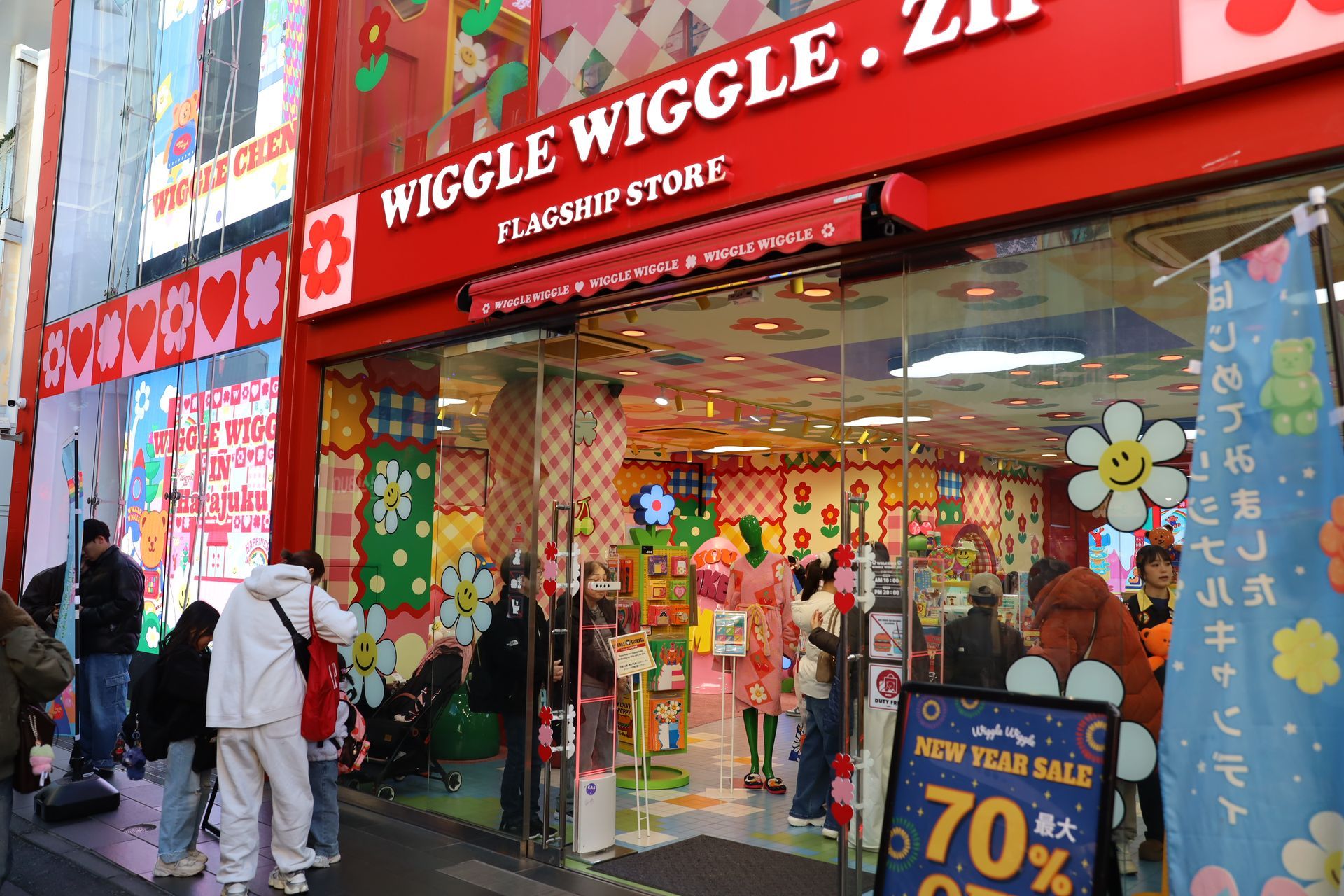
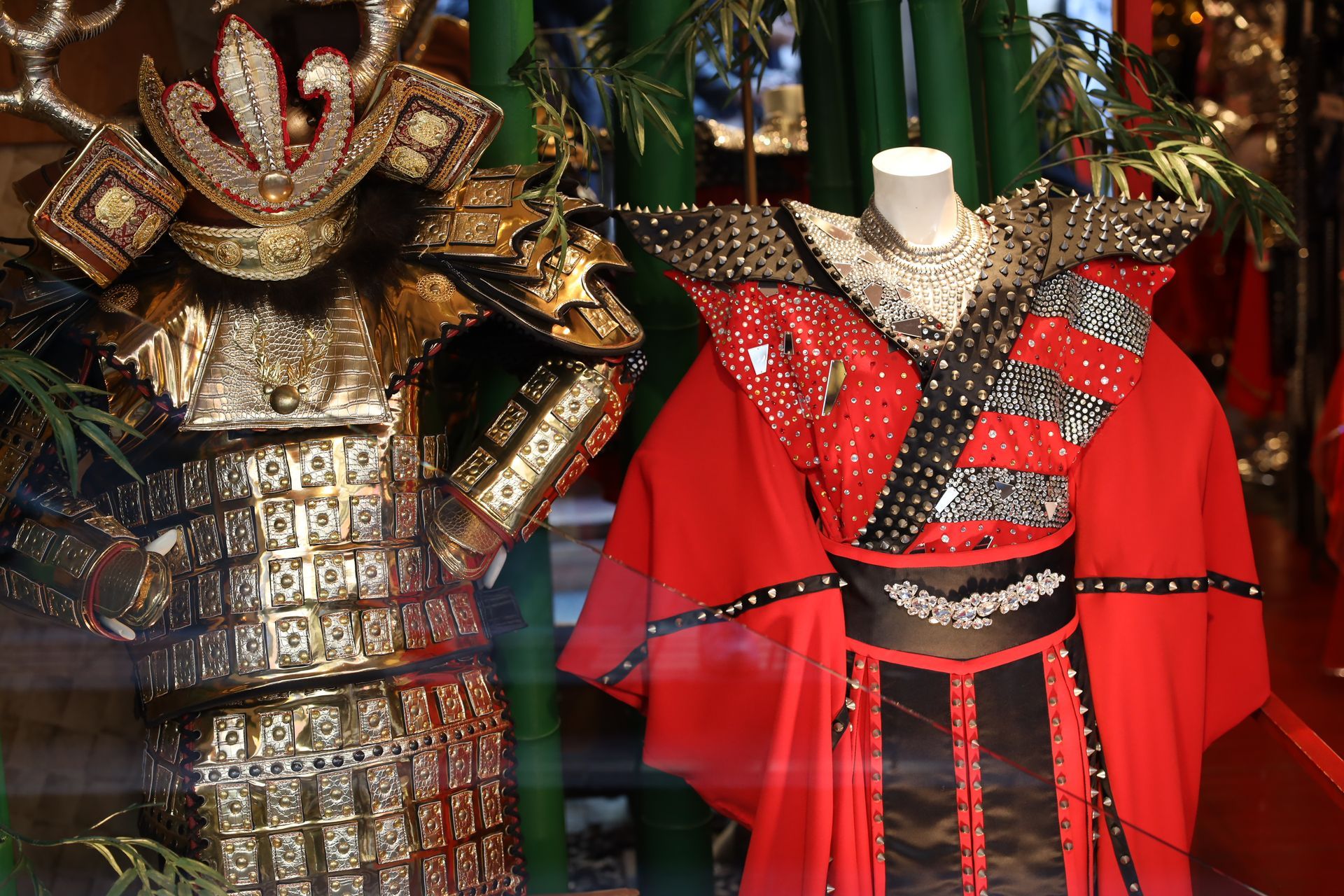
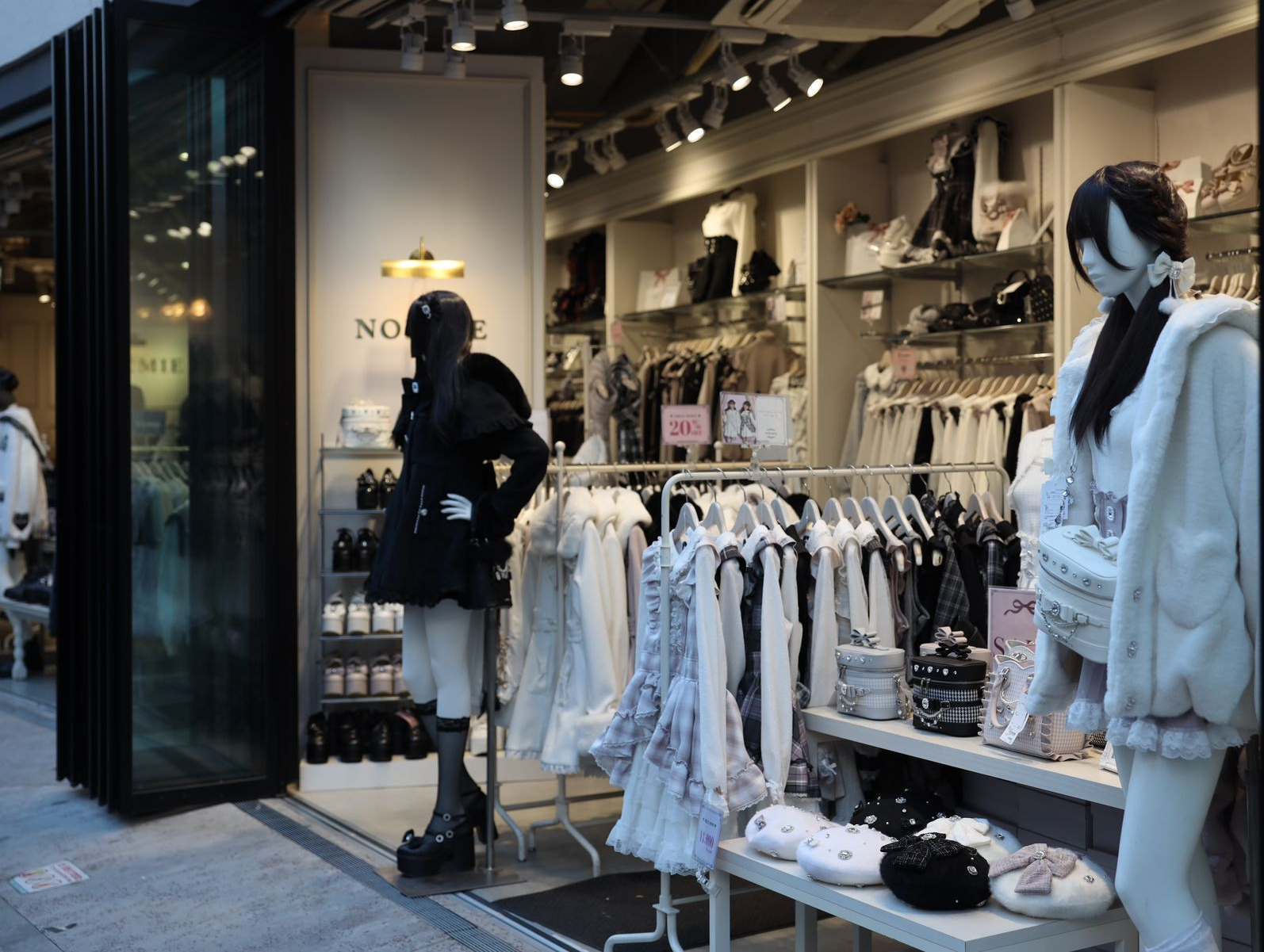
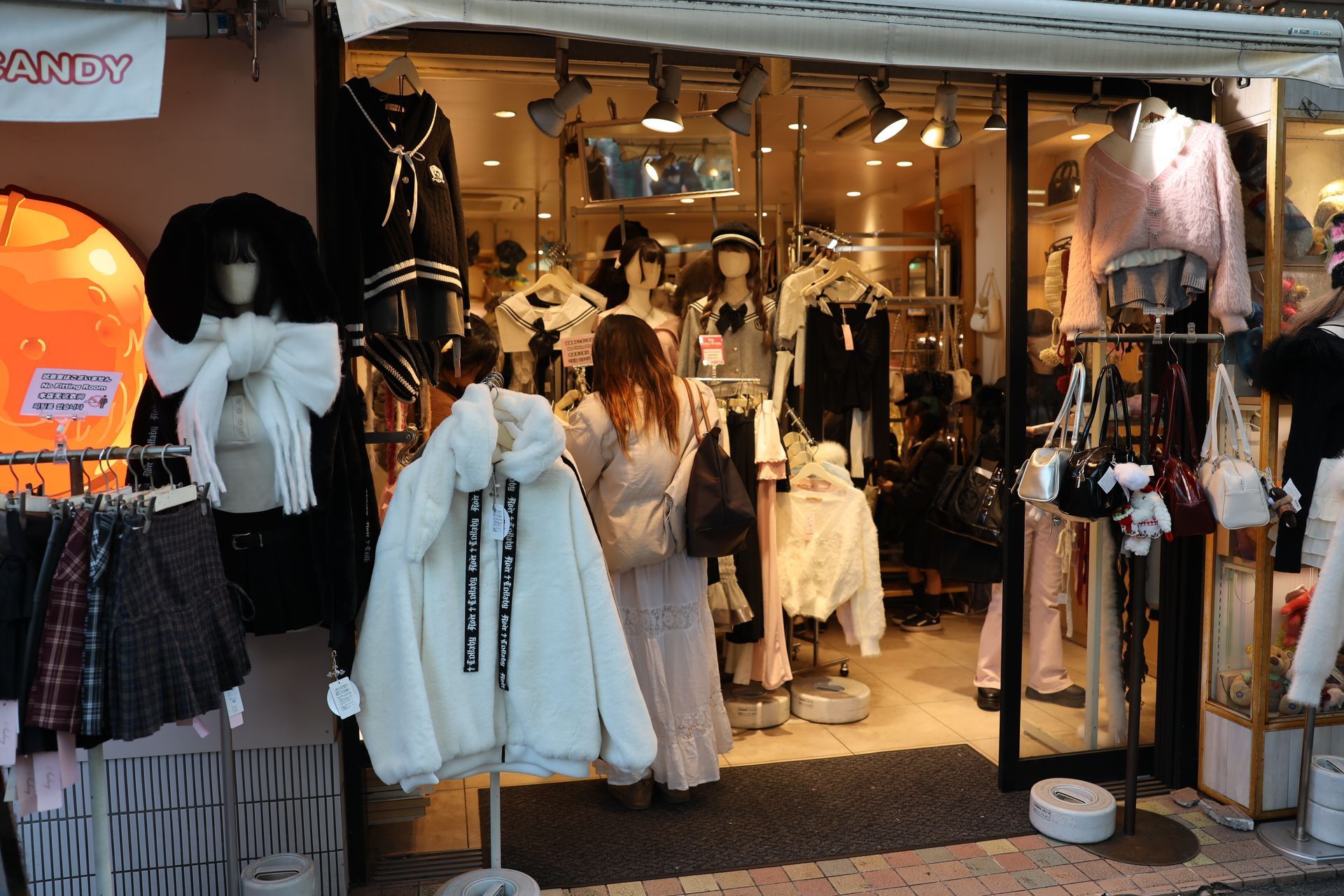
The shopping is one of the first things you notice. There’s a combination of small, independent boutiques and larger global brands, often sitting right next to each other. You’ll find streetwear, vintage pieces, and items that feel more one-off than mass produced. Many of the stores are spread across multiple levels, and some of the more interesting ones are above street level, which makes them easy to overlook if you’re only moving quickly through the main areas.
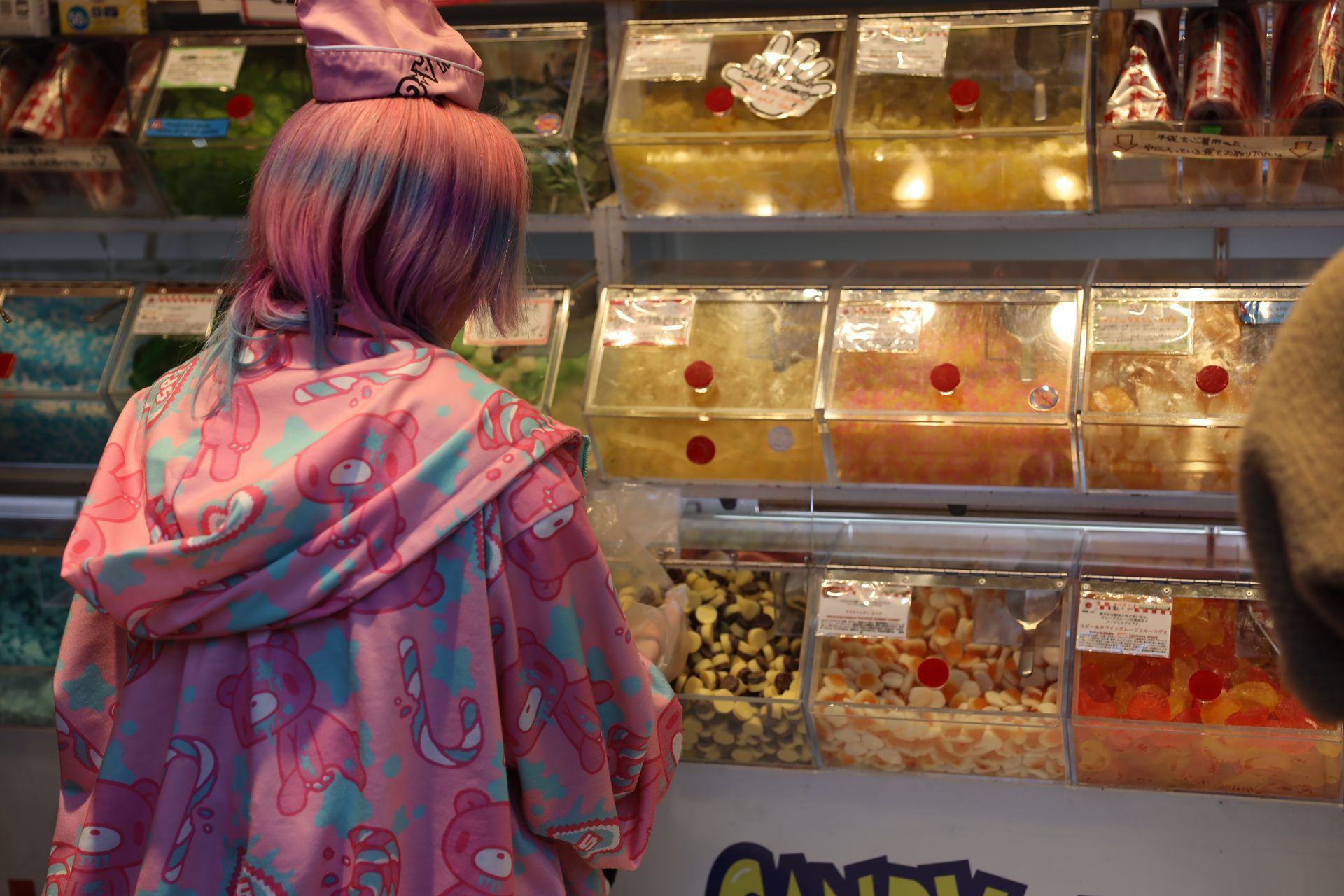
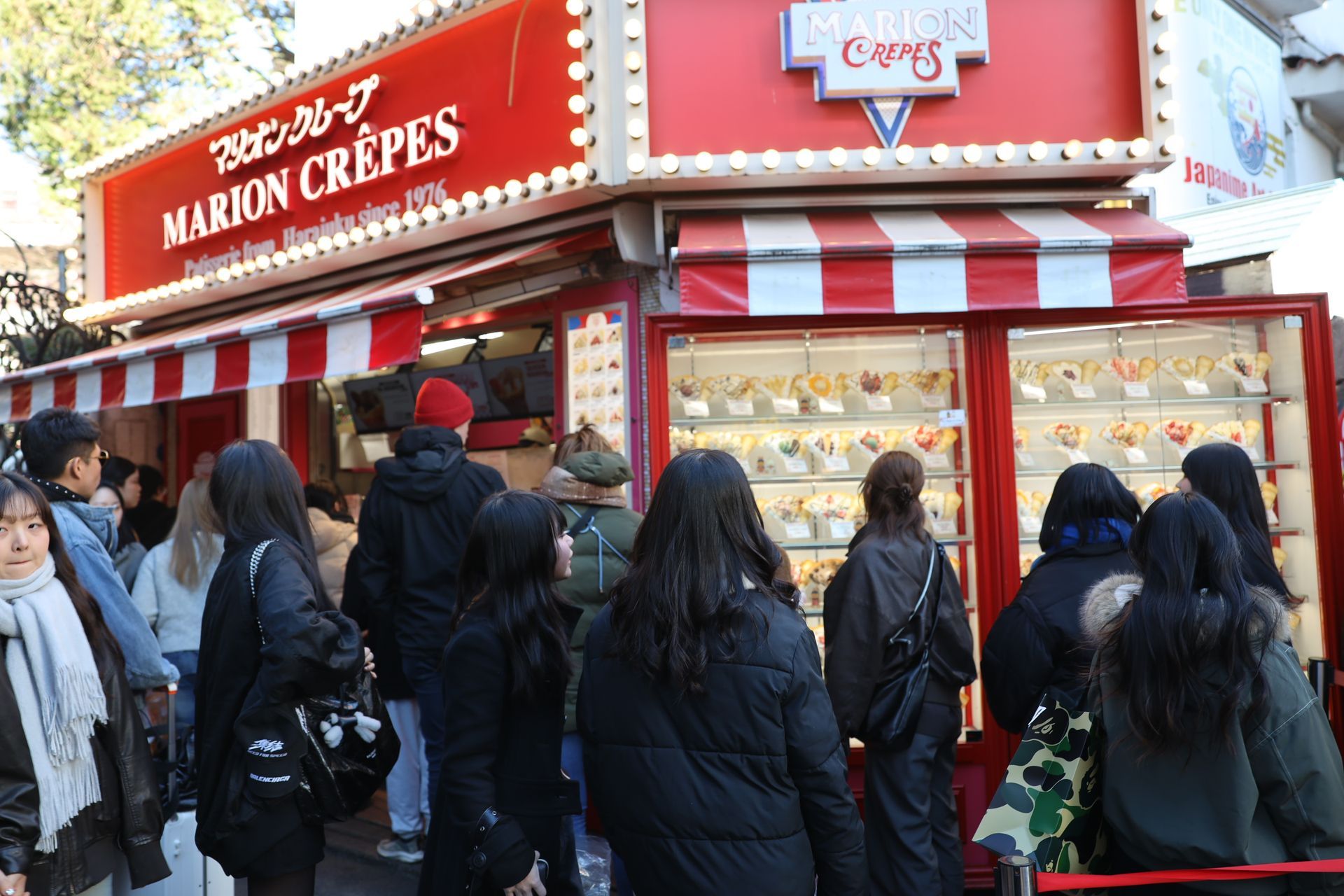
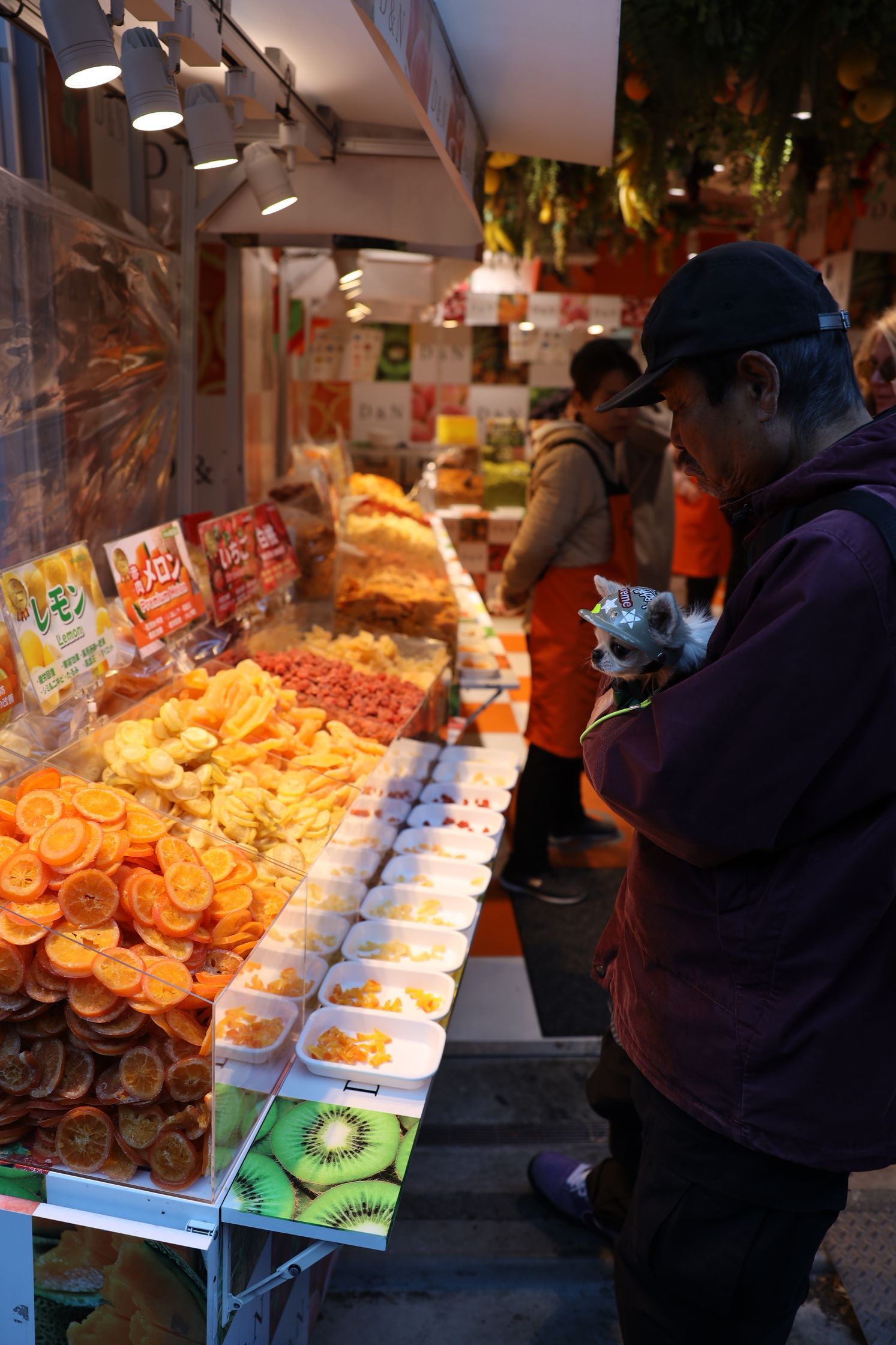
Food is just as visible, but it’s not built around full meals. Harajuku is known for quick, grab-and-go options, with crepe stands being the most recognizable. You’ll also see a lot of bright, highly styled desserts that are designed to be as visual as they are edible. It’s more about trying something small and moving on than sitting down for an extended meal.
What stands out most, though, is the people. Harajuku is one of the easiest places in Tokyo to observe how style and self-expression show up in everyday life. You’ll see groups dressed around a shared aesthetic alongside individuals wearing completely unique combinations. The overall look of the street shifts throughout the day as different people move through it.
We spent more time watching than shopping, which ended up being the right approach. Harajuku isn’t just about what you buy—it’s about what you notice while you’re there.
Harajuku Fashion: What It Is and Why It Matters
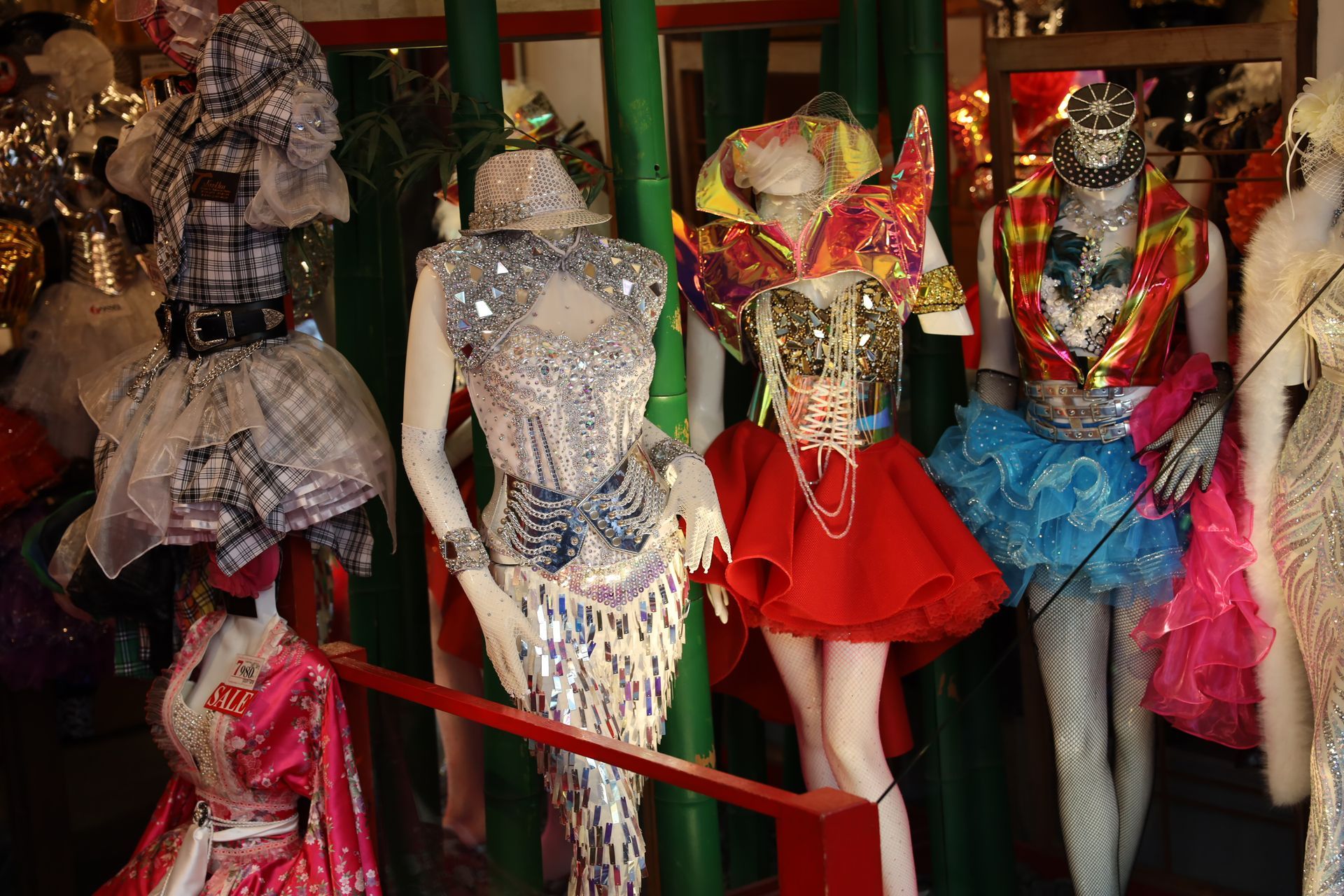
Harajuku fashion isn’t one defined style—it’s a collection of subcultures that have evolved over time. What makes it important isn’t just how it looks, but what it represents within Japanese culture.
Over the years, Harajuku has been home to a wide range of styles. You’ll see influences like Lolita fashion, inspired by Victorian-era clothing with structured silhouettes and detailed layering, alongside Decora, which leans heavily into bright colors and accessories. There are also strong elements of punk, streetwear, and more minimalist, high-fashion interpretations. These styles don’t exist in isolation—they overlap, mix, and continue to evolve.
Harajuku became one of the first places in Japan where young people openly used fashion as a form of identity and expression. In a culture often associated with uniformity, this area created space for individuality in a very visible way. That influence is still present today.
You’ll notice that what started here has extended far beyond Tokyo. Global fashion trends have pulled inspiration from Harajuku for decades, and many designers continue to reference its influence. At the same time, the streets themselves still feel experimental. People aren’t dressing for a trend—they’re dressing for themselves.
You don’t need to understand every style to appreciate it. The best way to experience it is to slow down, observe, and take in how much variation exists in just a few blocks.
The Cafés: What They Are and What to Expect
Harajuku’s café scene is built around experience as much as food. These concepts started gaining traction in the early 2000s as a way to offer something more interactive than a typical café, and today they’re part of what makes the area feel so distinct.
Many of the cafés you’ll come across are themed or interactive. You’ll find animal cafés featuring hedgehogs, micro-pigs, and other small animals, along with character-driven concepts and small, design-focused spaces often tucked into upper floors. They’re easy to miss if you’re only looking at street level, but they’re a big part of what people come to explore.
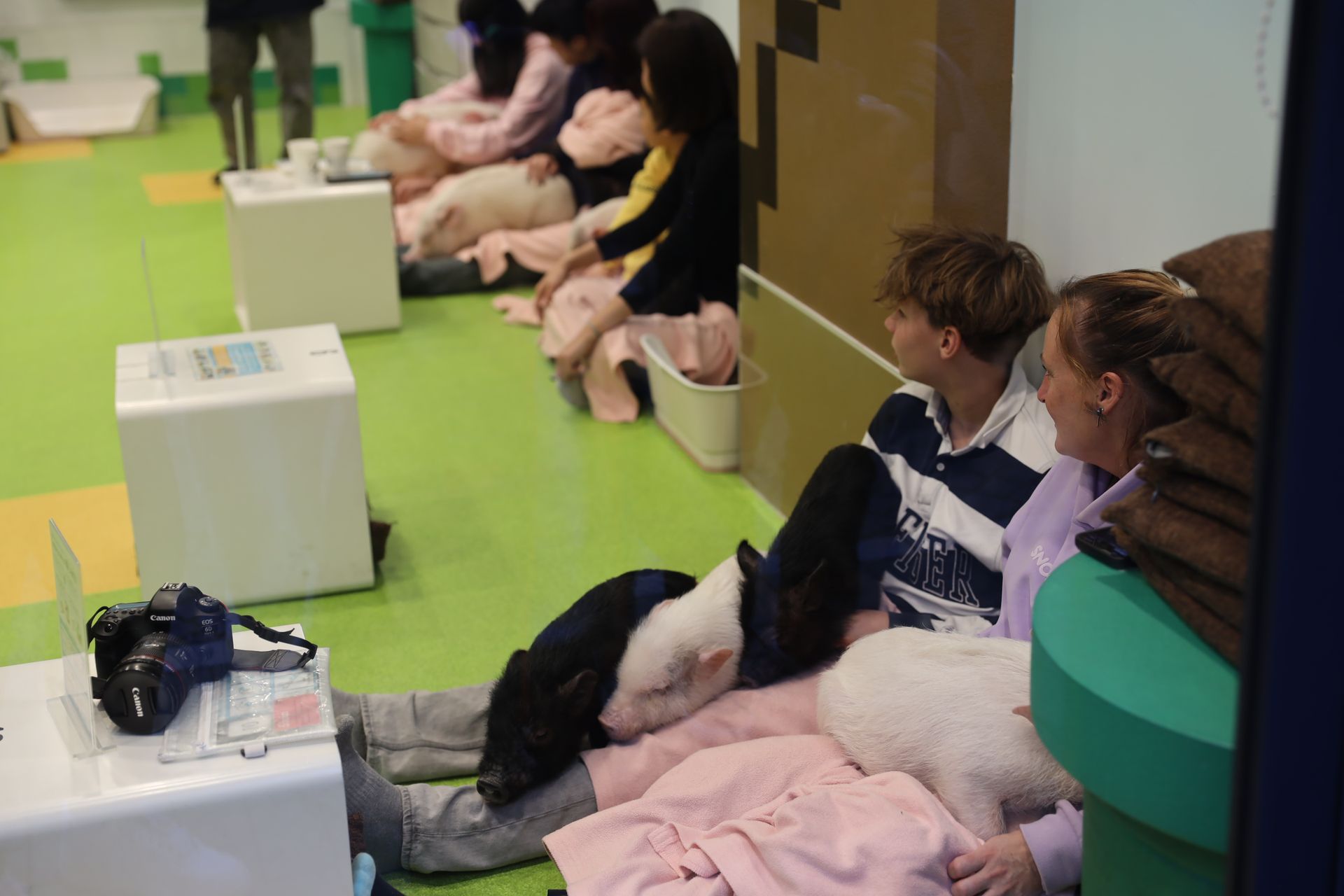
In animal cafés specifically, the experience is structured. When you arrive, you’ll usually pay an entrance fee or for a set amount of time, and a drink is often included. Before you enter, staff will explain how interaction works so you know what to expect.
Once inside, you’re in a shared space with the animals rather than seated at a traditional table. In some cafés, the animals move freely and may come up to you on their own. In others, you’re allowed to gently pick them up or hold them, depending on the rules of that specific café. Staff are present throughout and guide the interaction.
Food tends to be minimal—usually drinks or light snacks—because the focus is on the experience itself. You’re there to spend time in the environment, not to sit down for a full meal.
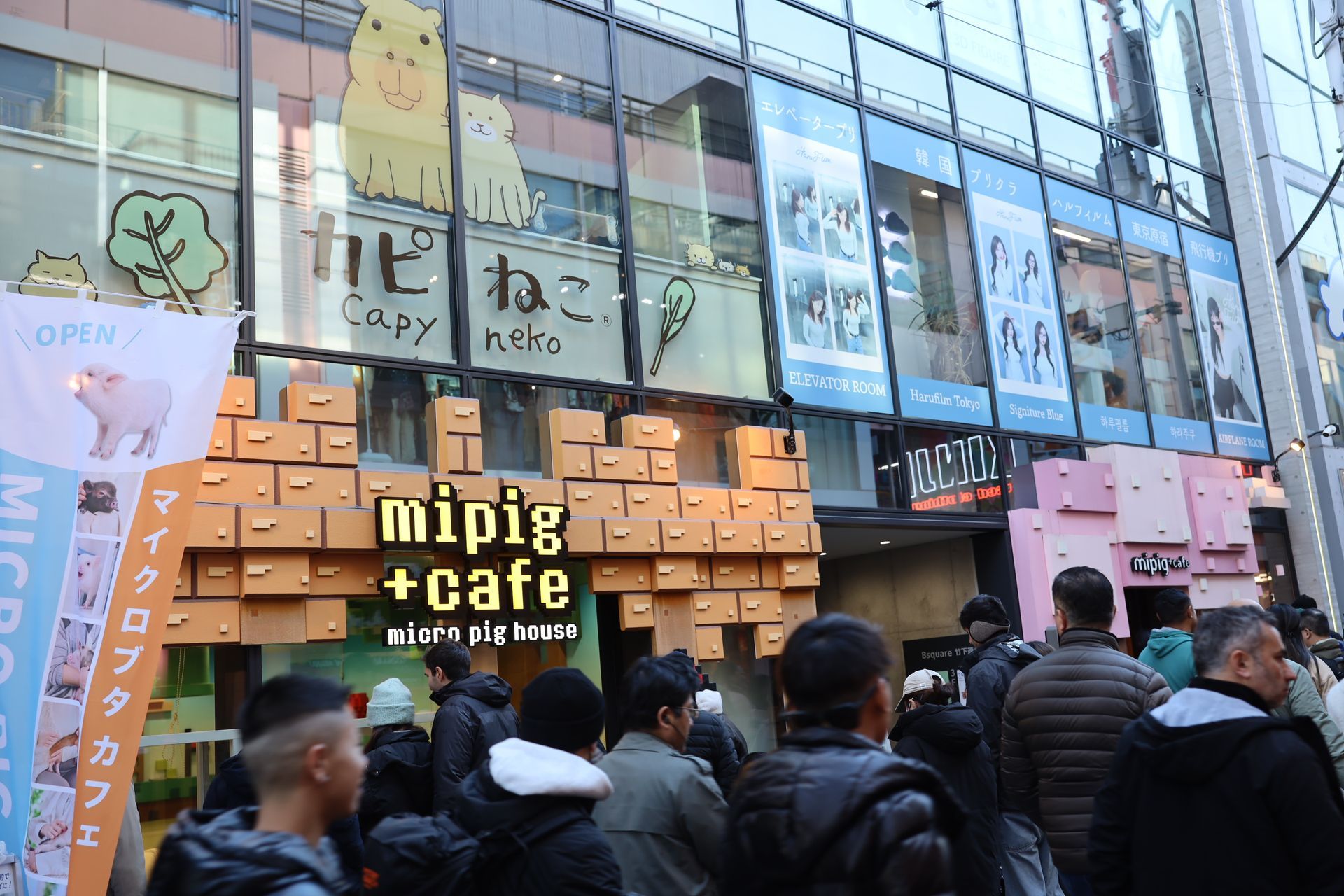
Travel tip: Look up as you walk. Many of these cafés are located above street level, and if you don’t catch the signs, you’ll walk right past them.
What to Know Before You Go
- Takeshita Street will be crowded — that’s part of it
- Side streets are worth your time — quieter, more interesting
- Most places are small — expect tight spaces
- You’ll walk more than you think — wear comfortable shoes
Final Take
Harajuku isn’t about seeing one thing—it’s about understanding how many different things can exist in one place. Fashion, food, culture, and people all layered together in a way that feels specific to Tokyo.
Ready to discover somewhere new?
Whether you're dreaming of a relaxing escape, a cultural adventure or a once-in-a-lifetime journey, Latitude & Leisure creates personalized travel experiences built around you. From the destinations you visit to the moments you'll remember, we're here to help you make the most of every journey.
Your Travel. Your Way.
Explore the world with Latitude & Leisure