Your Canada. Your Way.
Where wild beauty, culture, and thoughtful luxury meet
Canada:
Epic Landscapes & Refined Experiences
Canada is a study in scale and subtlety — vast wilderness balanced by polished cities, indigenous heritage, and deeply rooted local culture. From glacier-fed lakes and mountain peaks to coastal villages and world-class food scenes, Canada invites you to explore slowly and intentionally.
Whether you’re tracing the dramatic coastline of the Pacific, wandering historic neighborhoods in Québec, watching wildlife in the Rockies, or savoring wine country moments in British Columbia and Ontario, each region offers its own rhythm — and its own reason to linger.
We pair iconic scenery with insider access and thoughtful pacing, designing journeys that feel immersive, comfortable, and deeply connected to place.
Plan Your Dream Canada Journey
Not sure where to begin? Start with a free interactive Canada Bucket List — a curated guide designed to help travelers dream big, stay organized, and uncover Canada’s most unforgettable experiences.
Or explore a
Sample Itinerary to see how a custom journey can unfold — from alpine rail routes and coastal lodges to vibrant cities and remote wilderness stays.
Regions That Shape the Journey
Every corner of Canada tells a different story — shaped by land, culture, and season.
Peaks, Lakes & Legendary Rail
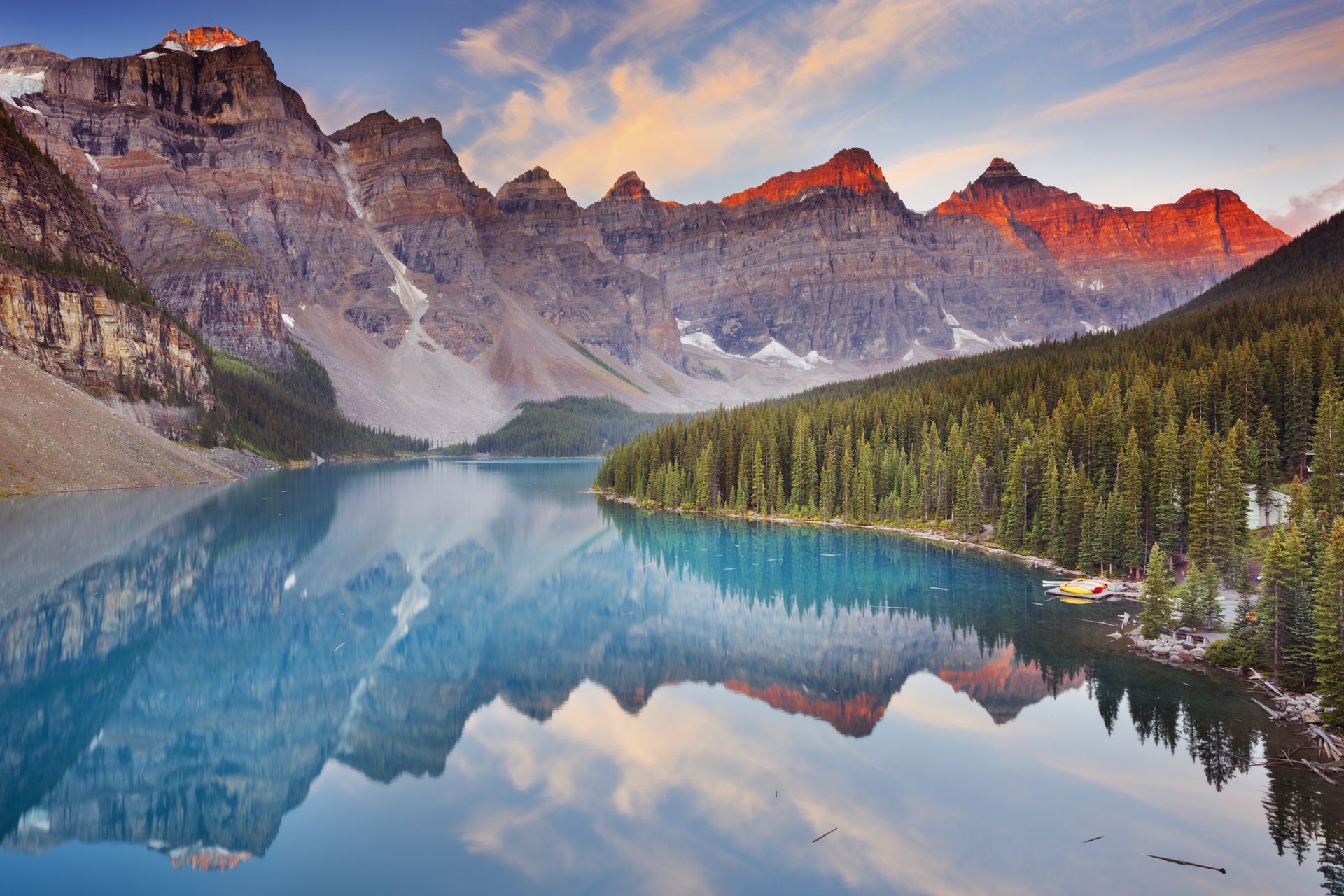
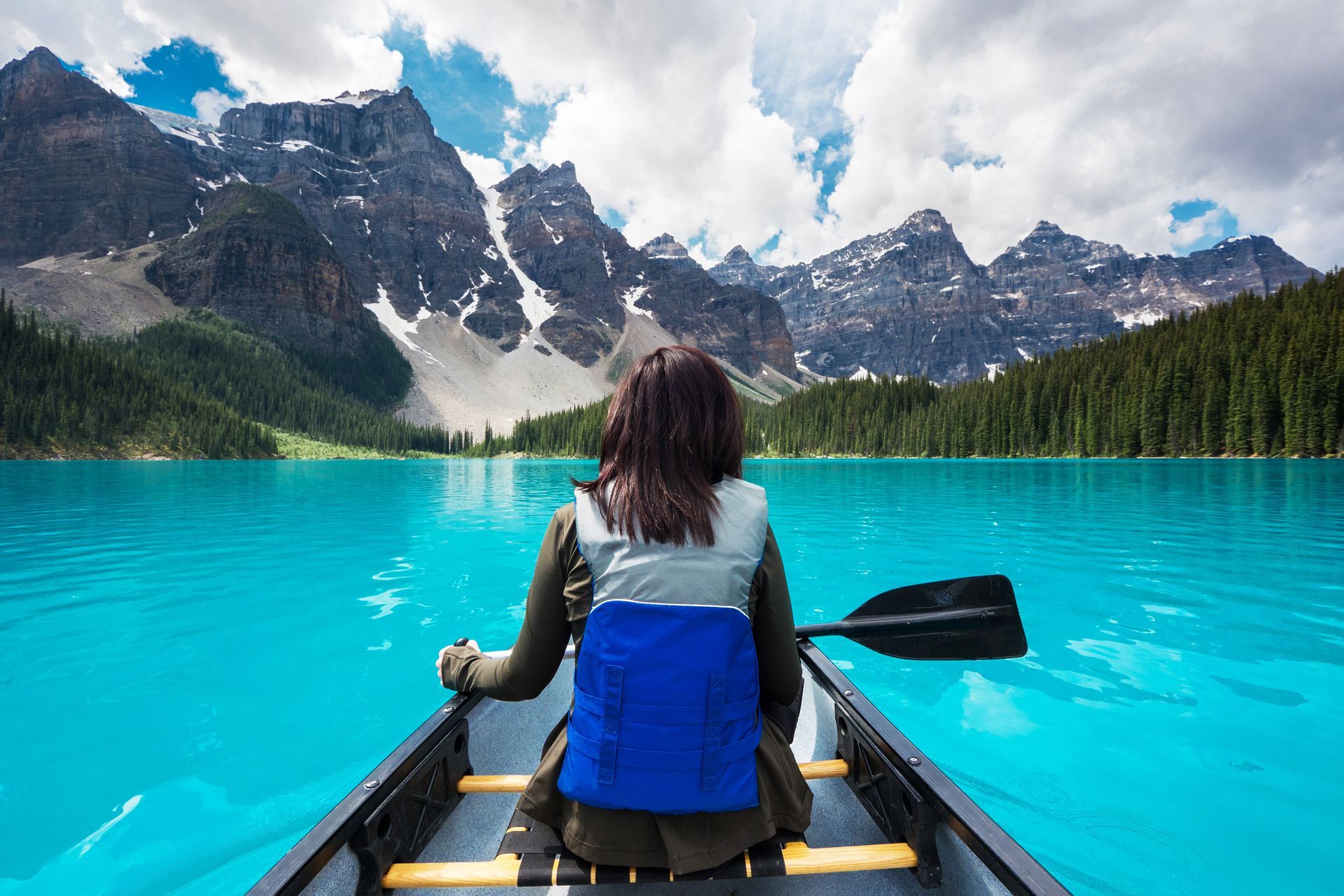
Dramatic mountain ranges, turquoise lakes, and glacier-carved valleys define Western Canada. Banff and Jasper feel cinematic in scale, where alpine air, wildlife sightings, and mirror-still lakes create moments that stop travelers in their tracks. It’s a region that invites awe — and rewards unhurried exploration.
We design journeys that balance iconic sights with quieter moments: scenic rail journeys through the Rockies, stays at historic mountain lodges, and guided experiences that go beyond the overlooks. Thoughtful pacing allows the landscape to unfold naturally, without rushing the experience.
Highlights: Banff & Jasper National Parks · Lake Louise & Moraine Lake · Icefields Parkway · Rocky Mountaineer · Wildlife viewing
Coastal Beauty & Easygoing Elegance
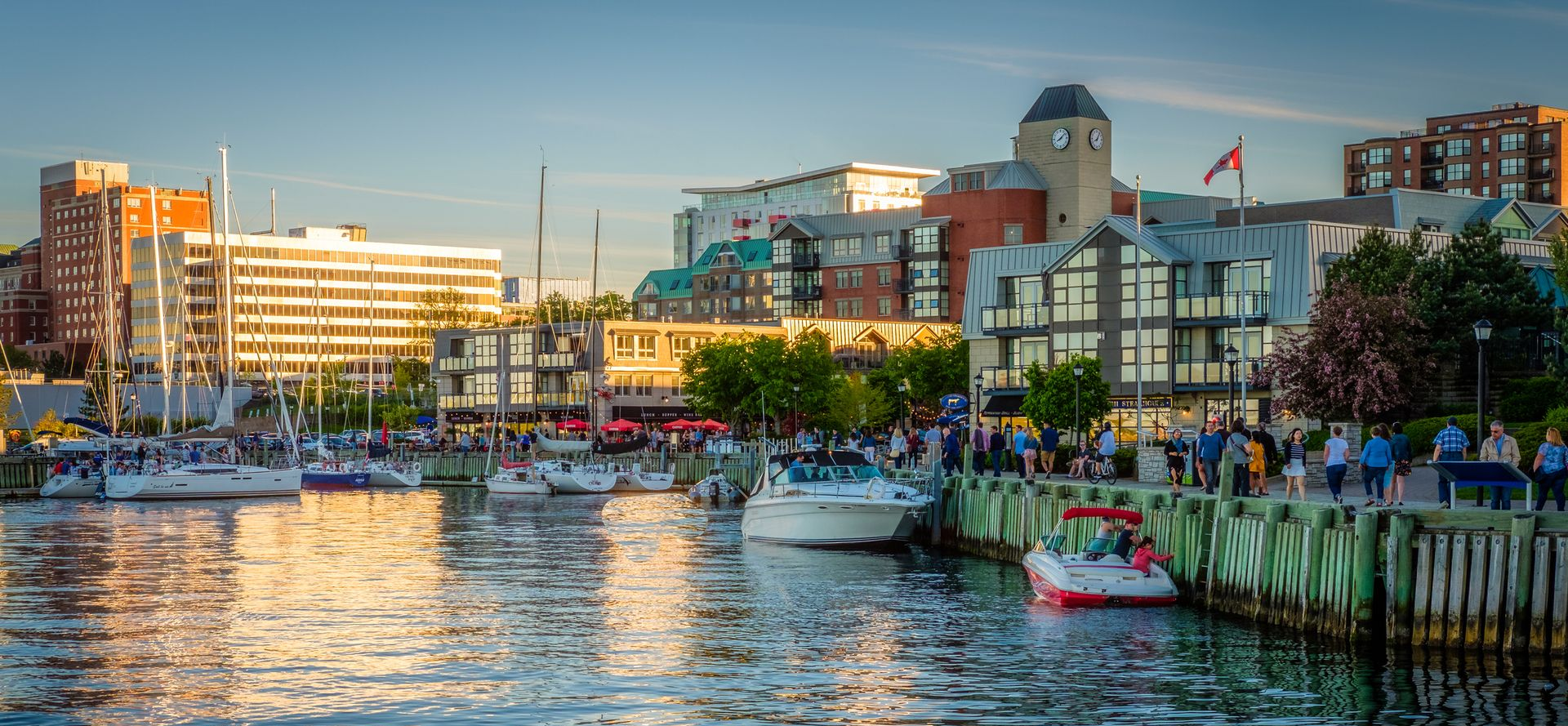
British Columbia’s coast blends rugged beauty with relaxed sophistication. Misty rainforests, harbor towns, and dramatic shorelines set the scene, while Vancouver and Vancouver Island offer a seamless mix of nature, culture, and cuisine. The rhythm here is slower — shaped by tides, forests, and light.
We pair oceanfront stays with curated coastal experiences, from whale watching and island hopping to food-forward neighborhoods and scenic drives. This is where Canada feels effortlessly livable — and deeply connected to the sea.
Highlights: Vancouver · Vancouver Island · Tofino · Whale watching · Pacific Rim coastline
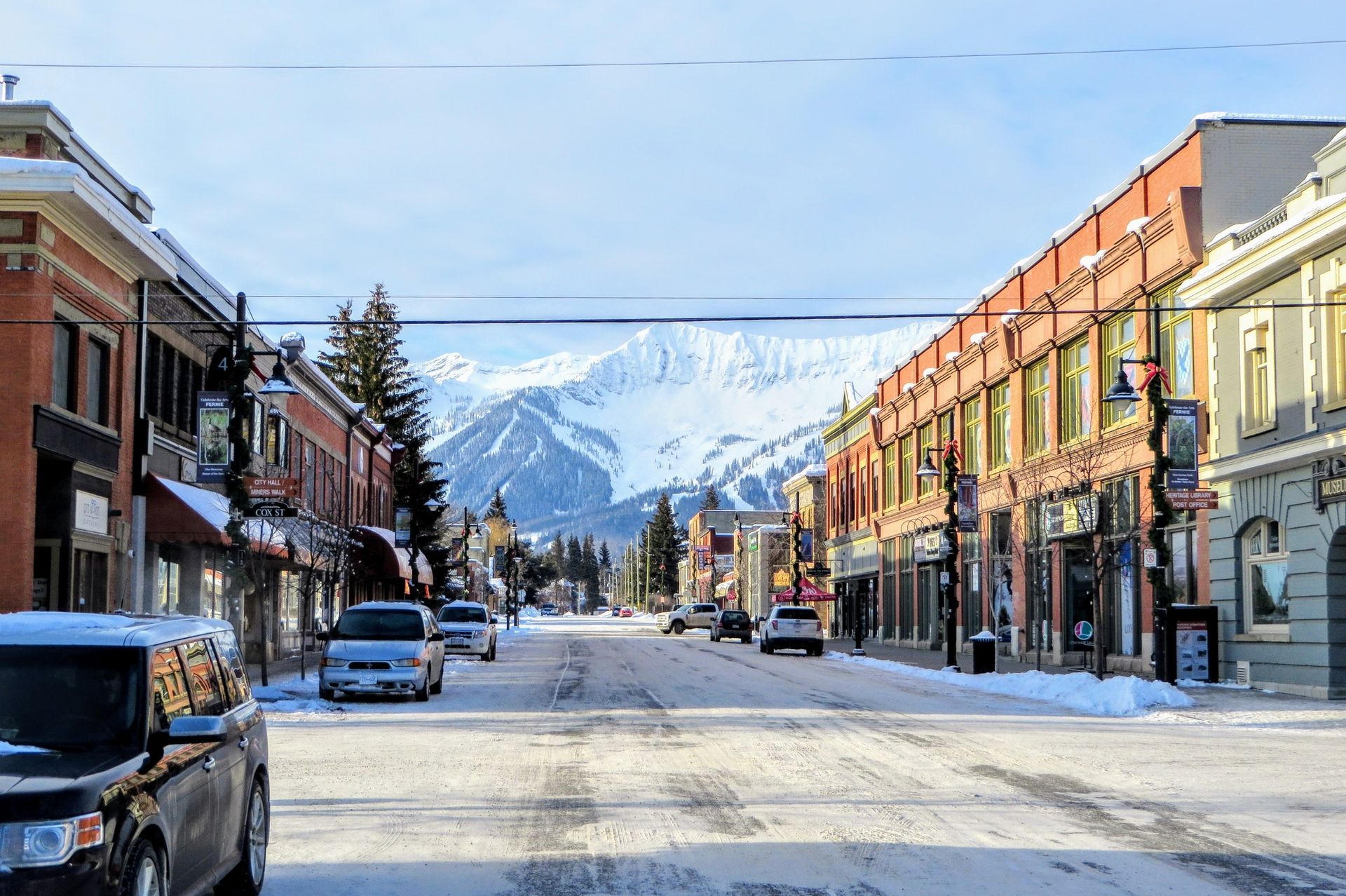
Old-World Charm & Cultural Depth
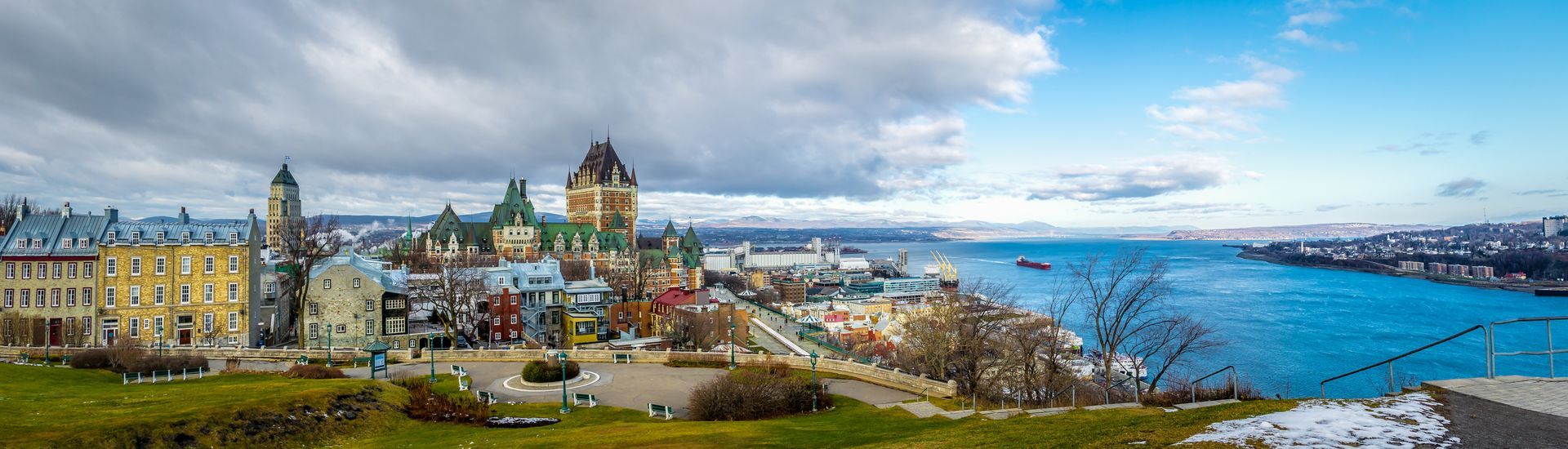
Québec feels distinctly European, shaped by French heritage, historic architecture, and a deep appreciation for food, art, and tradition. Cobblestone streets, grand rivers, and storybook villages create an atmosphere that feels intimate and timeless.
Our journeys here focus on immersion — blending historic cities with countryside escapes, local cuisine, and seasonal festivals. Whether strolling Old Québec or exploring the Laurentians, this region rewards travelers who appreciate culture with character.
Highlights: Montréal · Québec City · St. Lawrence River · Laurentians · Culinary & cultural experiences
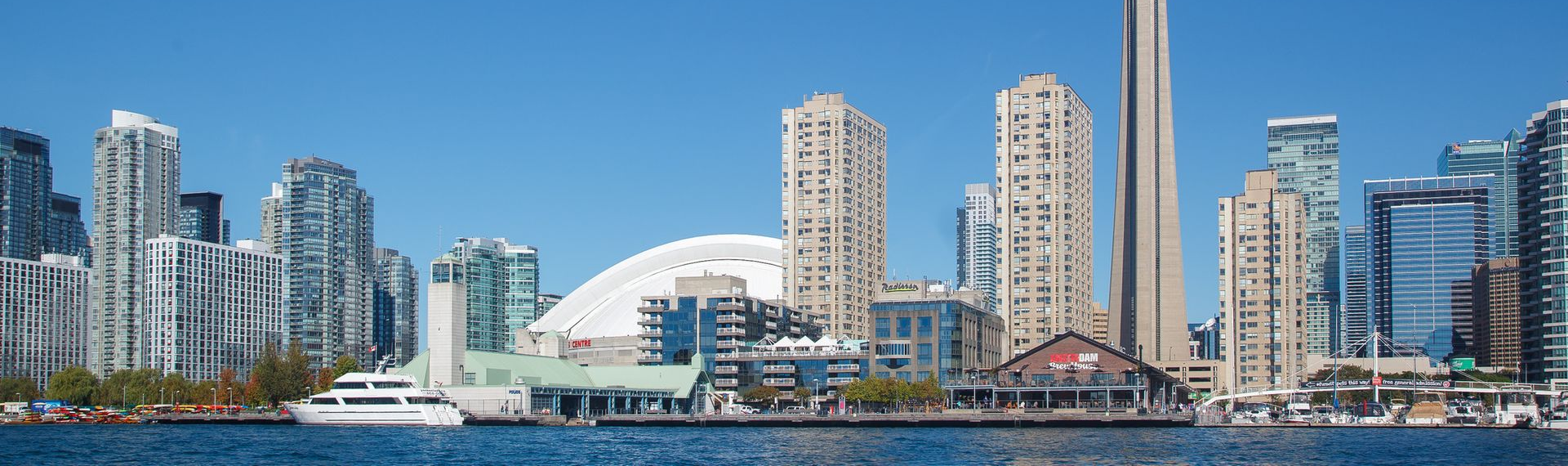
Cosmopolitan Energy & Natural Icons
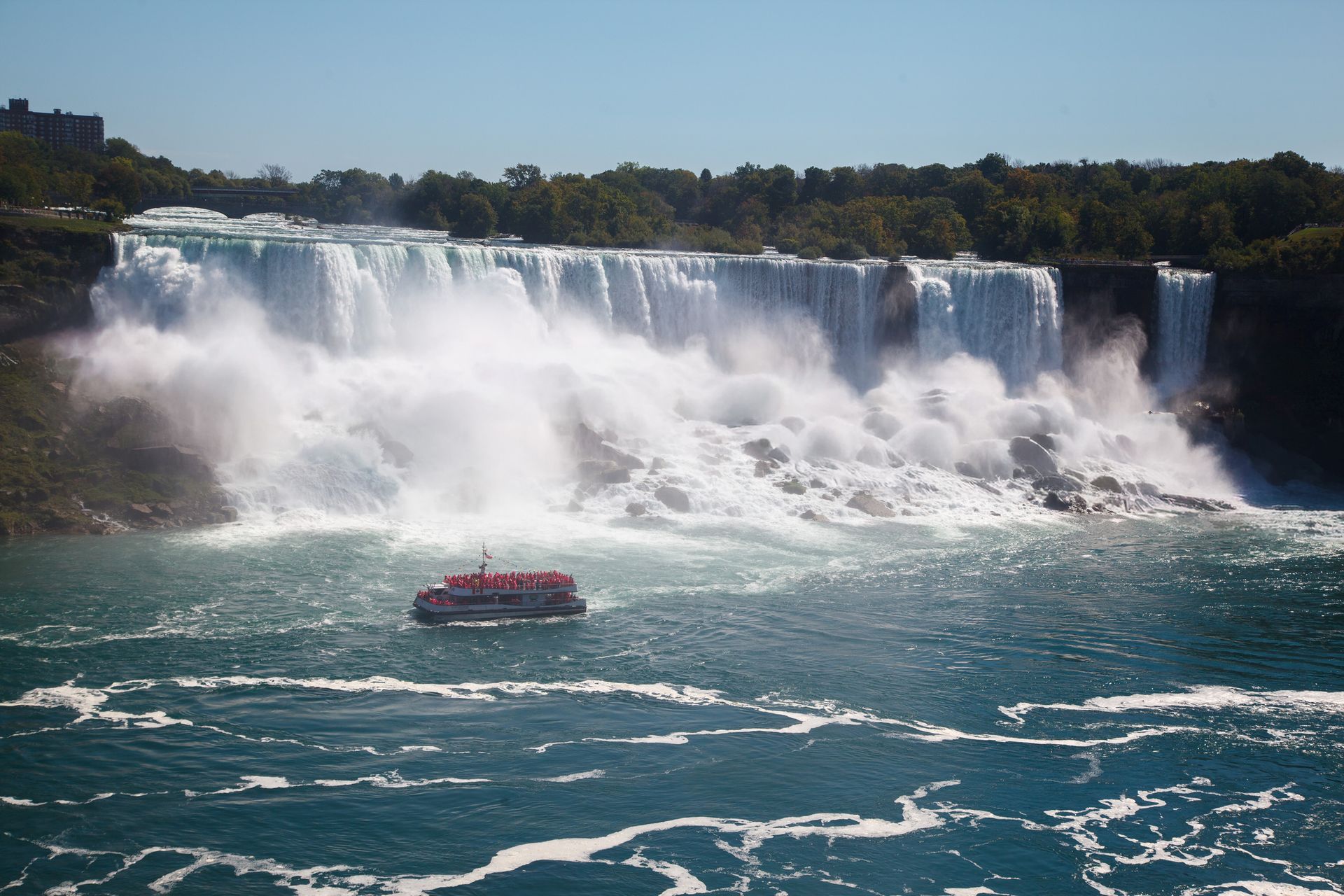
Ontario pairs vibrant cities with iconic natural wonders. Toronto’s dynamic neighborhoods and multicultural food scene contrast beautifully with the raw power of Niagara Falls and the tranquility of nearby wine country and lake regions.
We design experiences that balance urban exploration with scenic escapes — from private tastings in Niagara-on-the-Lake to lakefront retreats and cultural highlights. It’s an ideal region for travelers who want variety without long distances.
Highlights: Toronto · Niagara Falls · Niagara wine country · Great Lakes · Arts & dining scenes
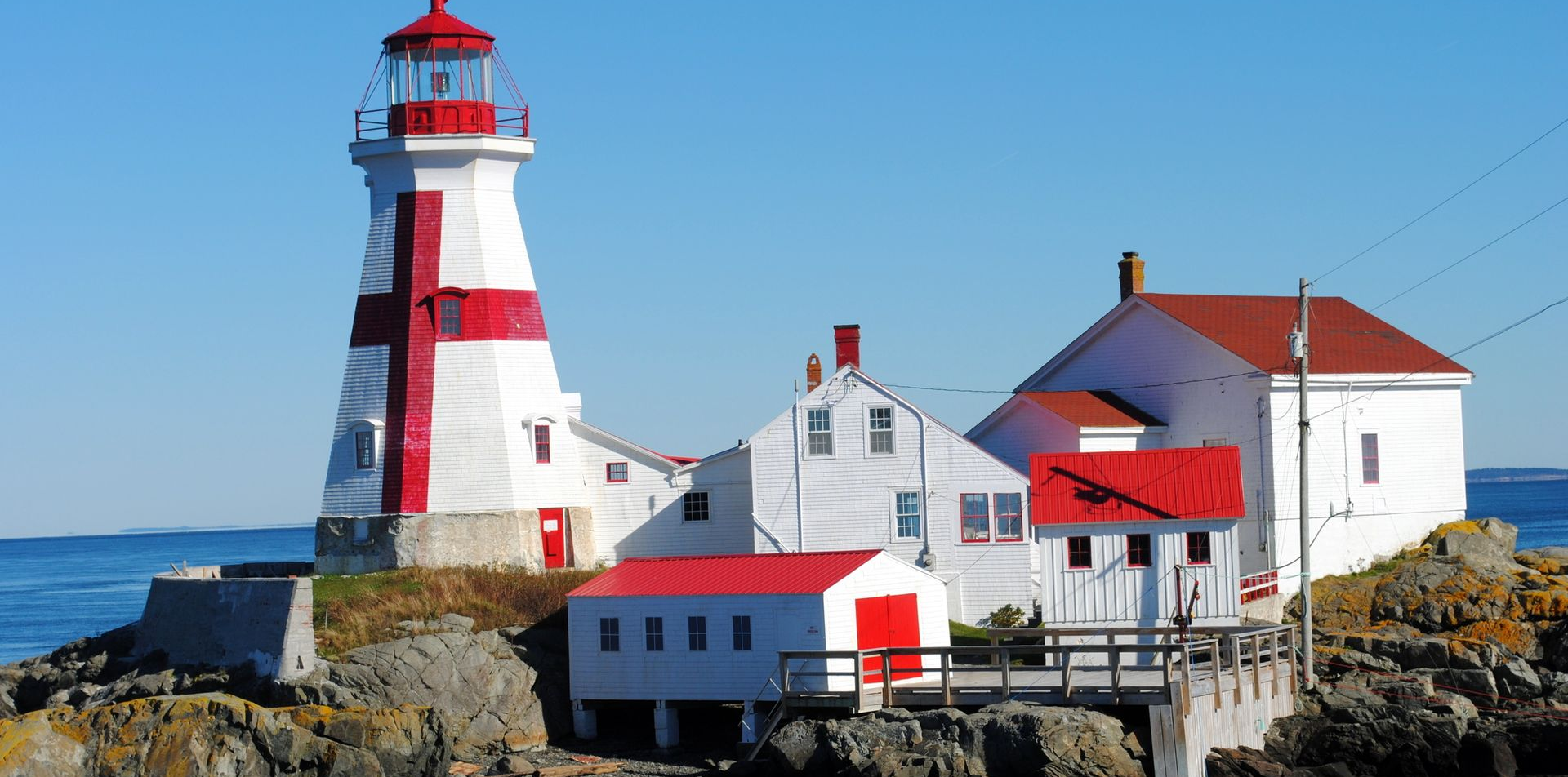
Seaside Stories & Timeless Traditions
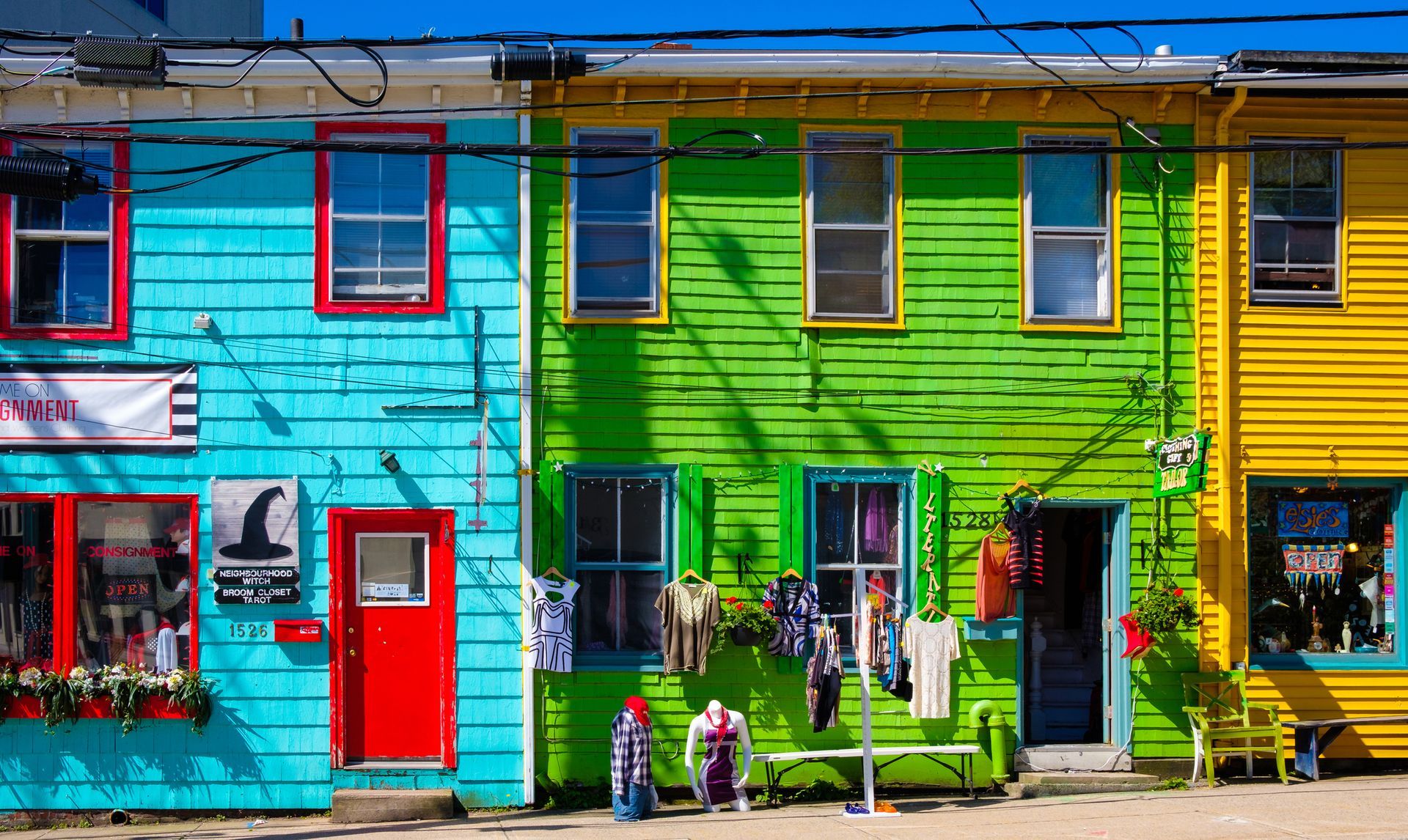
Atlantic Canada is shaped by the ocean — in its landscapes, its cuisine, and its people. Colorful fishing villages, rugged coastlines, and historic towns offer a sense of authenticity that feels refreshingly unpolished and warmly welcoming.
We curate coastal journeys that emphasize local connection: scenic drives, lighthouse views, seafood experiences, and charming inns. This is Canada at its most personal — ideal for travelers who love slow travel and meaningful encounters.
Highlights: Nova Scotia · Prince Edward Island · Newfoundland · Coastal drives · Maritime culture
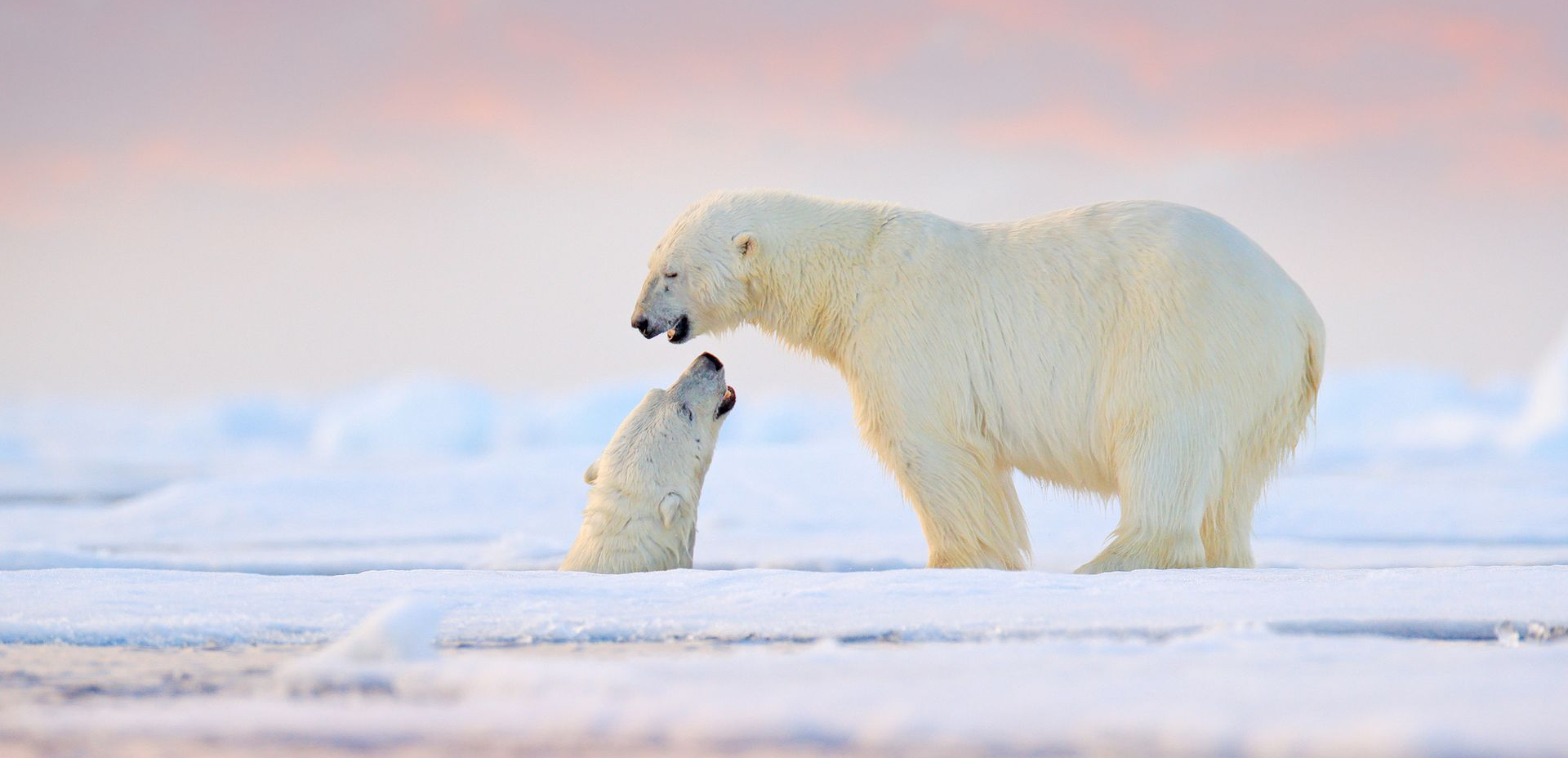
Remote Wilderness & Northern Light
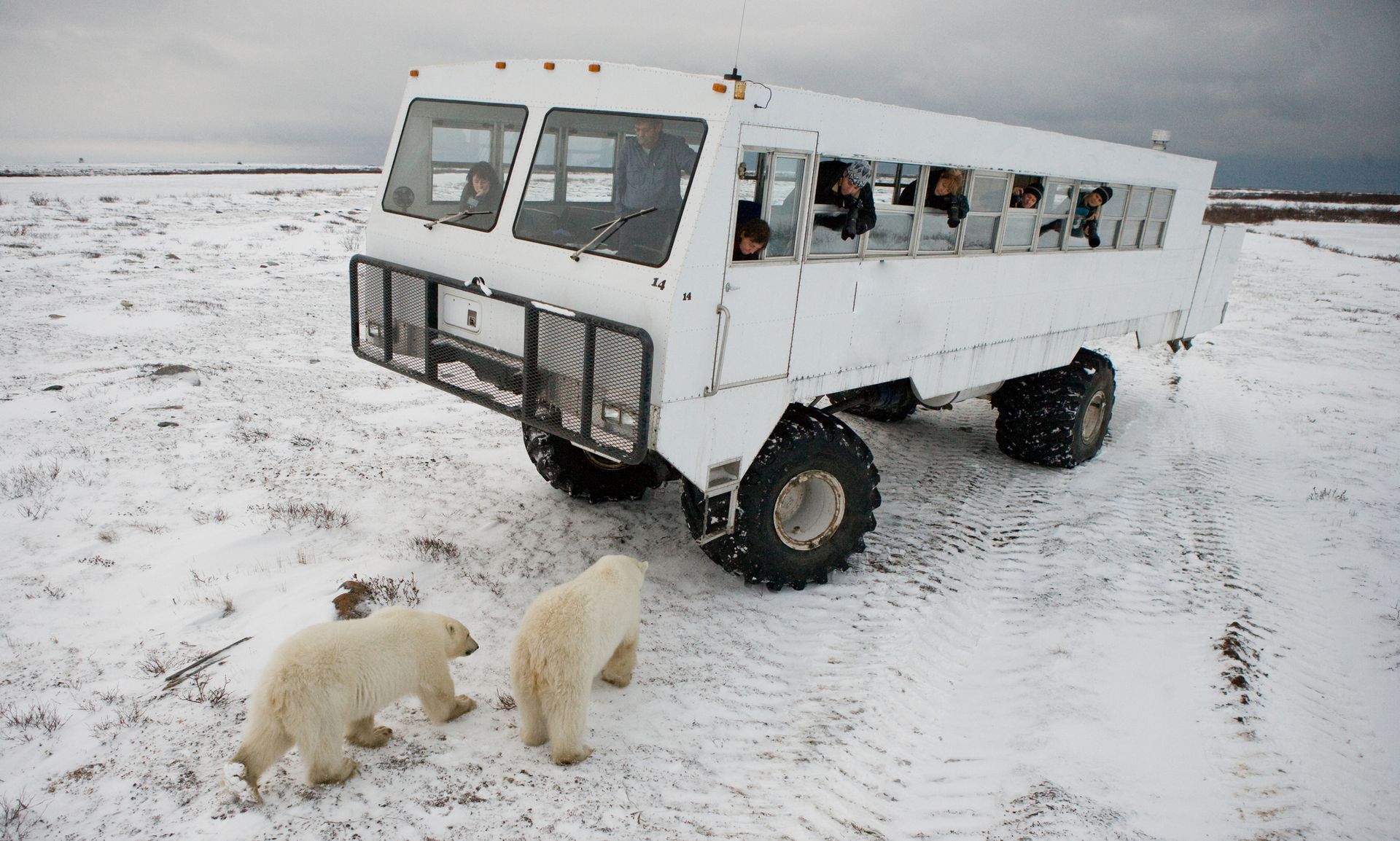
Canada’s northern regions offer a rare sense of remoteness and wonder. Vast tundra, dramatic skies, and powerful silence define this frontier, where nature sets the pace and the experience feels truly elemental.
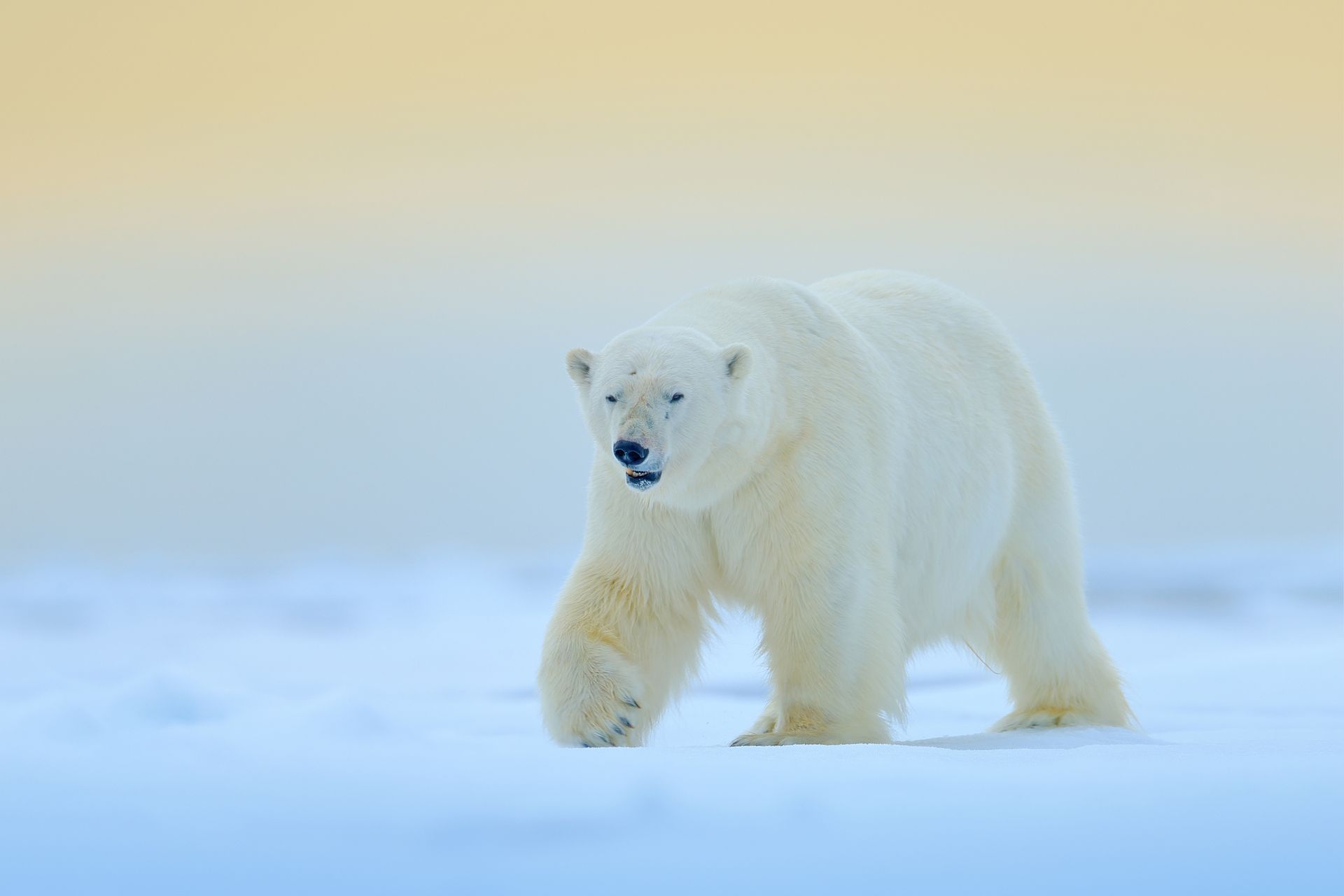
Journeys here are carefully crafted around seasonality, expert guides, and respectful access to Indigenous lands and traditions. For travelers seeking something extraordinary — from Northern Lights to Arctic wildlife — the North delivers unmatched perspective.
Highlights: Yukon · Northwest Territories · Northern Lights · Arctic wildlife · Indigenous-led experiences
Signature Ways to Explore — Expertly Crafted Journeys
There’s no single way to experience Canada — only the one that fits your travel style. We design journeys that balance natural wonder, cultural depth, and effortless logistics.
Mountain & Rail Escapes
Canadian Rockies
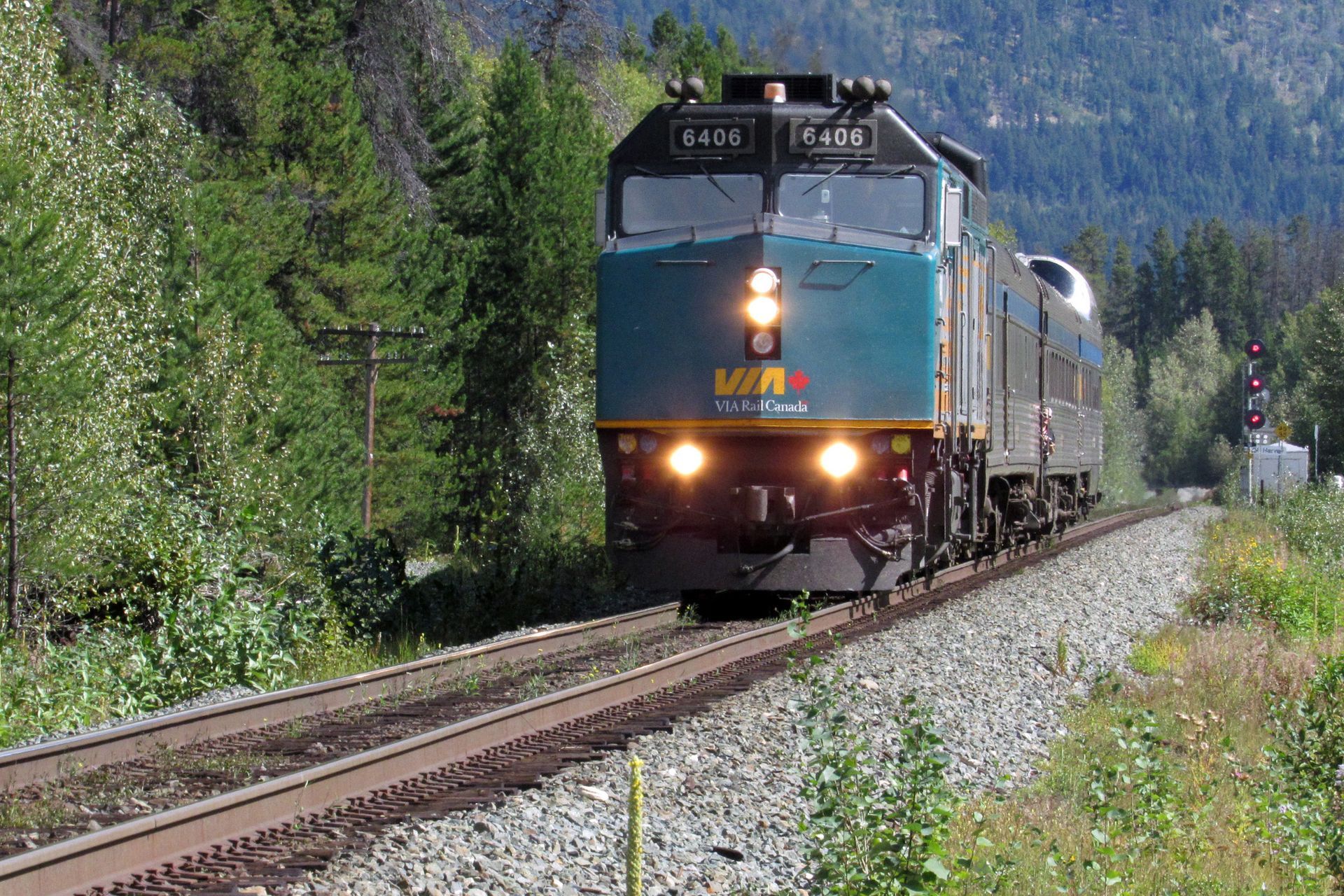
Iconic rail journeys, luxury lodges, glacier views, and wildlife encounters.
Coastal Calm & Island Life
West & Atlantic Coasts
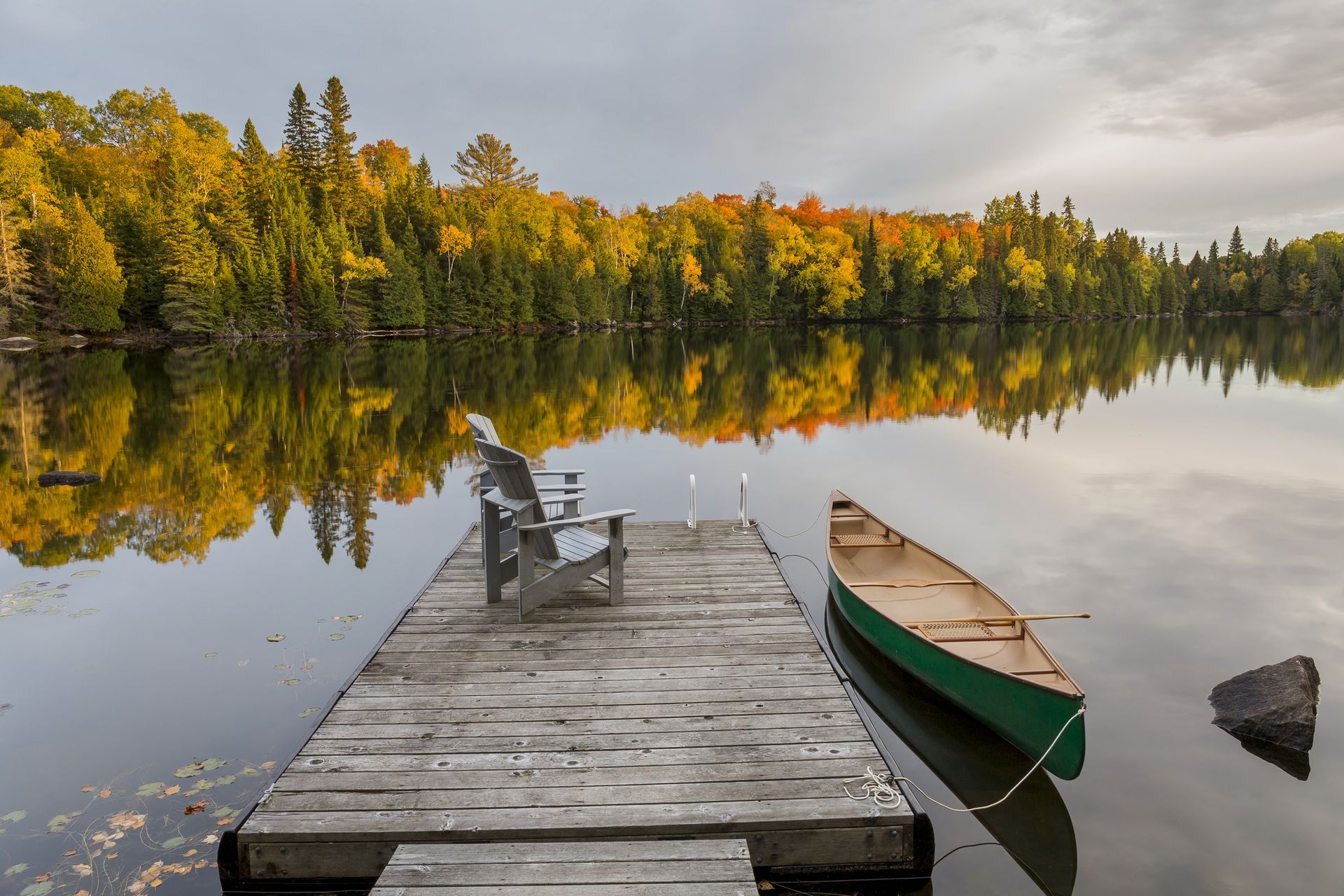
Harbor towns, whale watching, oceanfront inns, and slow coastal drives.
Cities & Culture
Canada’s Iconic Cities
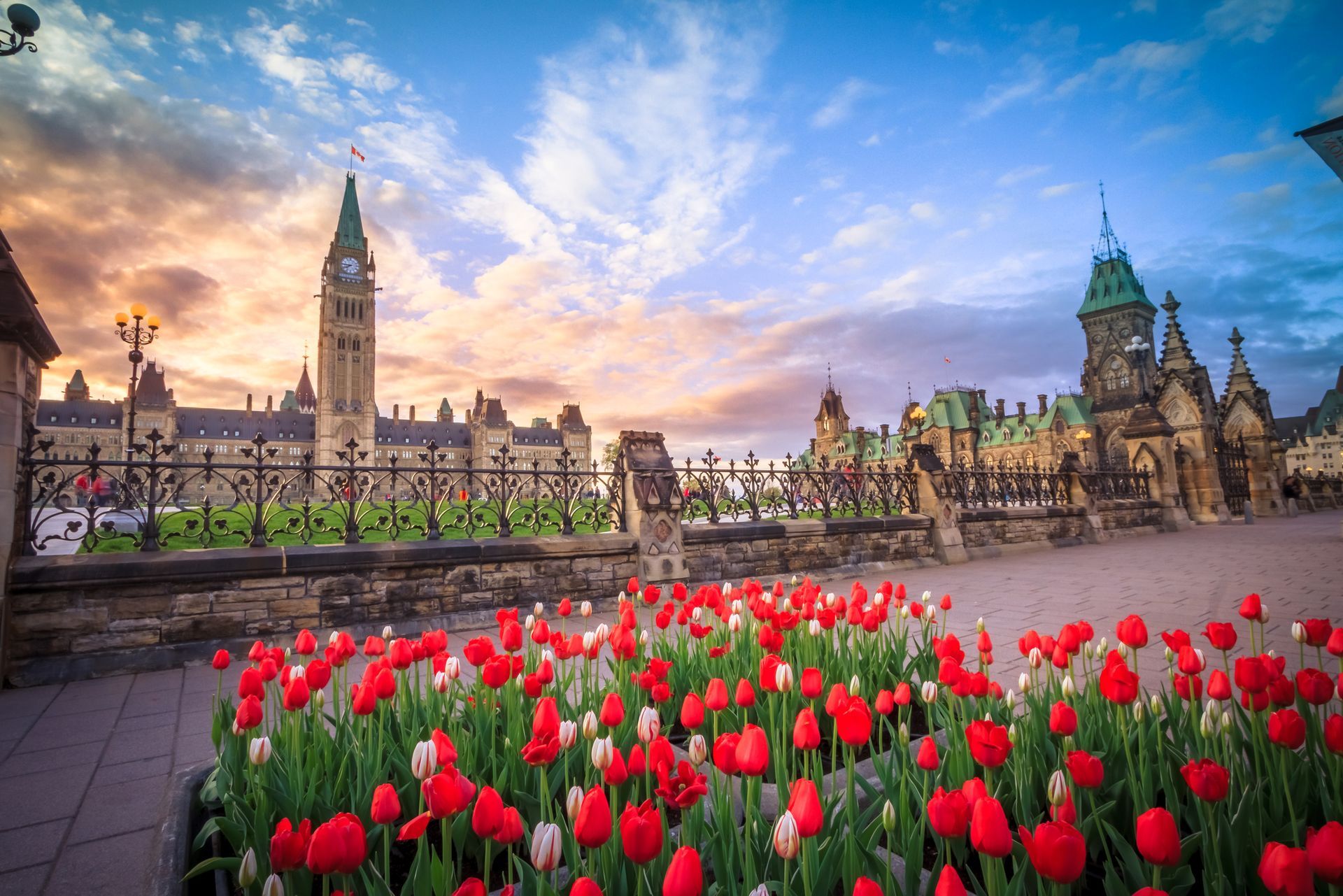
Food-forward neighborhoods, historic architecture, and vibrant arts scenes.
Nature & Heritage
Across Canada
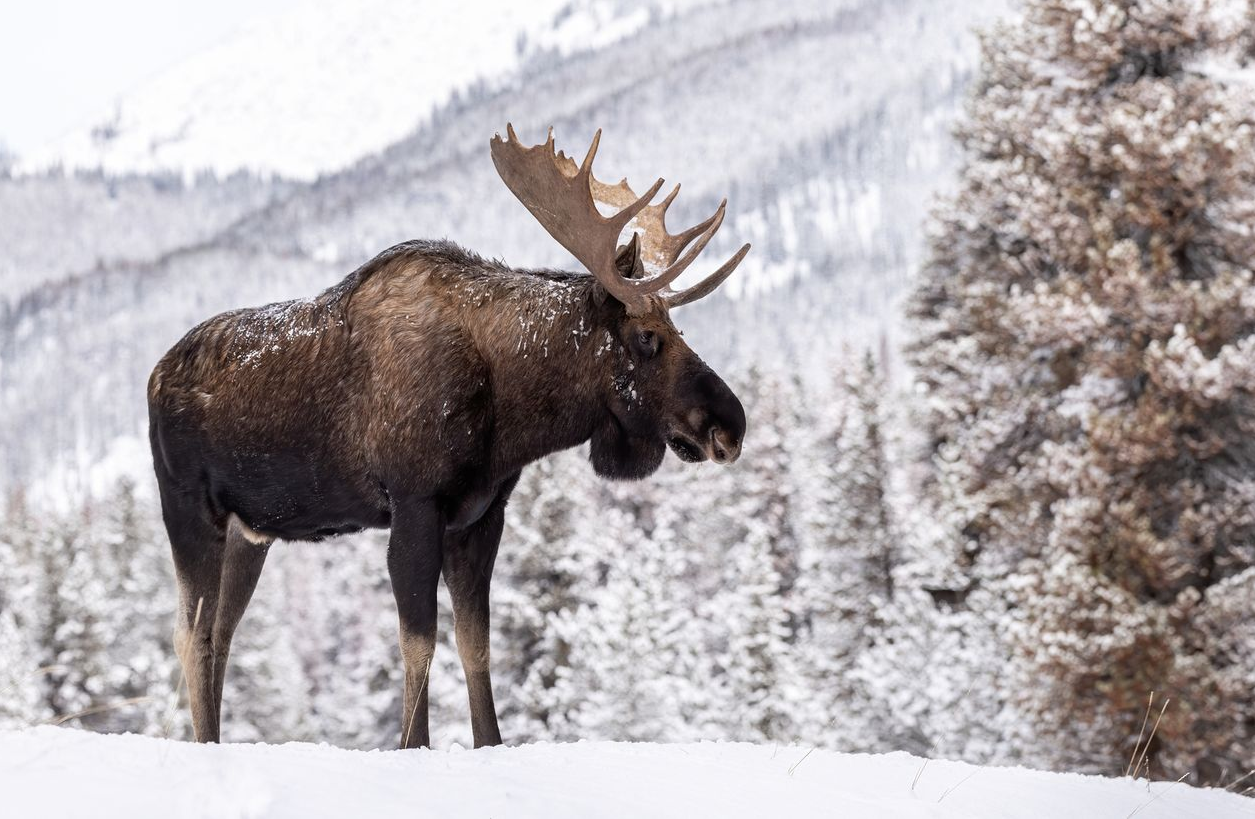
Guided experiences that honor Indigenous culture, storytelling, and connection to the land.
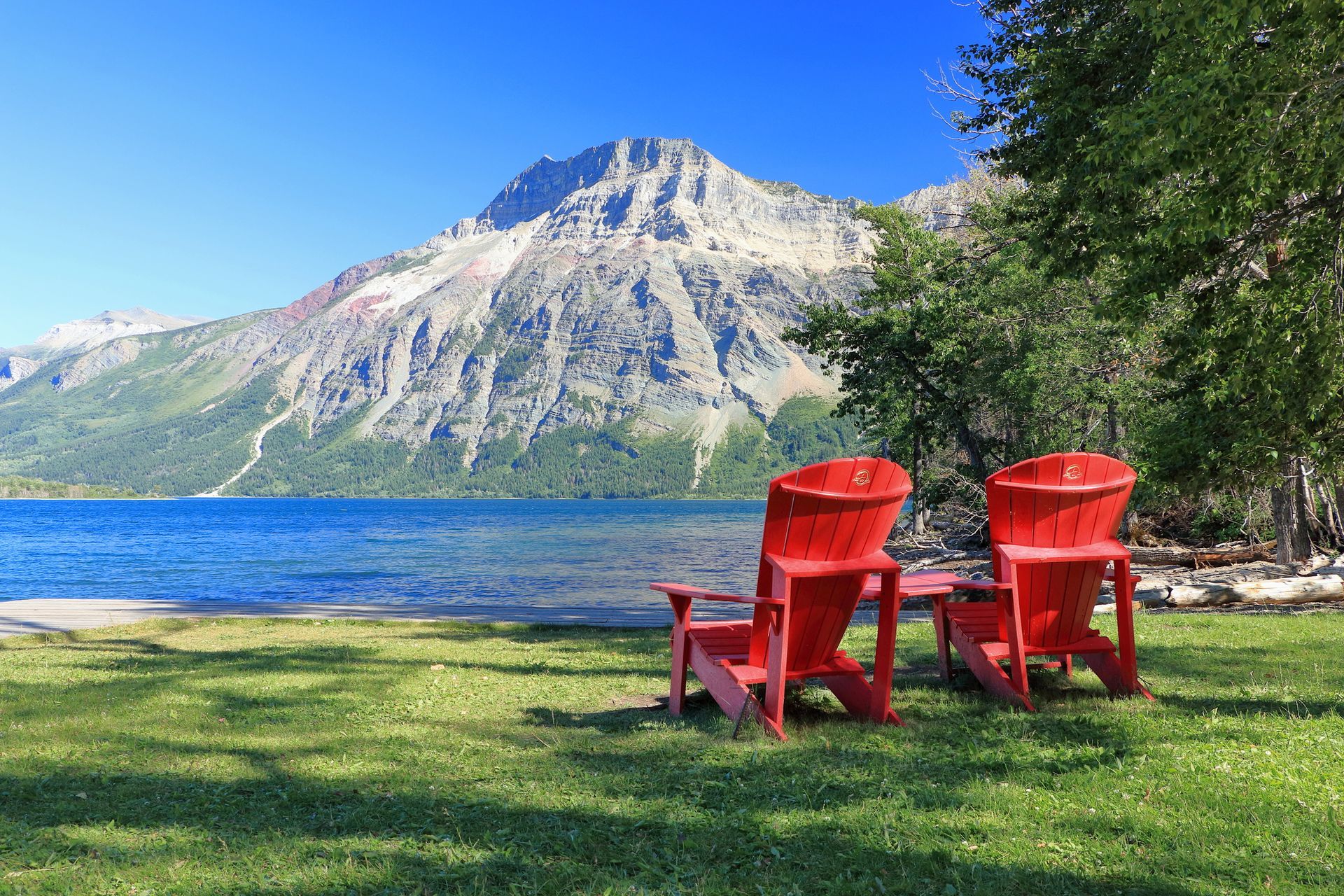
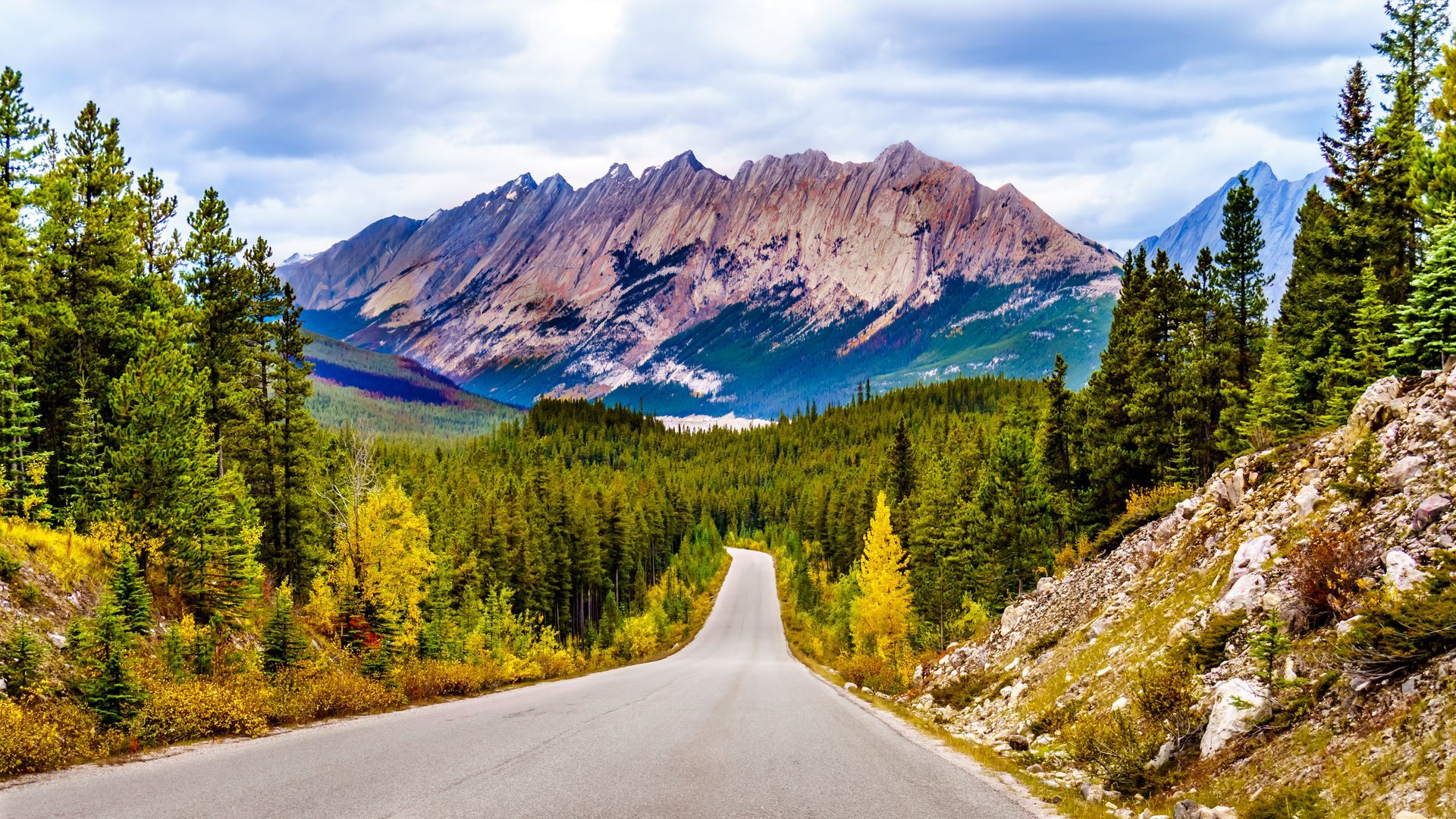
Seasonal Feature: Summer Wilderness & Fall Color — From July’s alpine brilliance to September and October’s golden forests and harvest season, Canada shines brightest June through October.
Best Time to Journey
Every season reveals a different side of Canada — shaped by weather, wildlife, and light.
Spring
April–June
Melting snow, blooming cities, fewer crowds, ideal for urban exploration and shoulder-season value.
Summer
July–August
Peak season for the Rockies, festivals, wildlife viewing, and coastal cruising; book early.
Fall
September–October
Crisp air, fall colors, wine harvests, and fewer visitors — a favorite for scenic travelers.
Winter
November–March
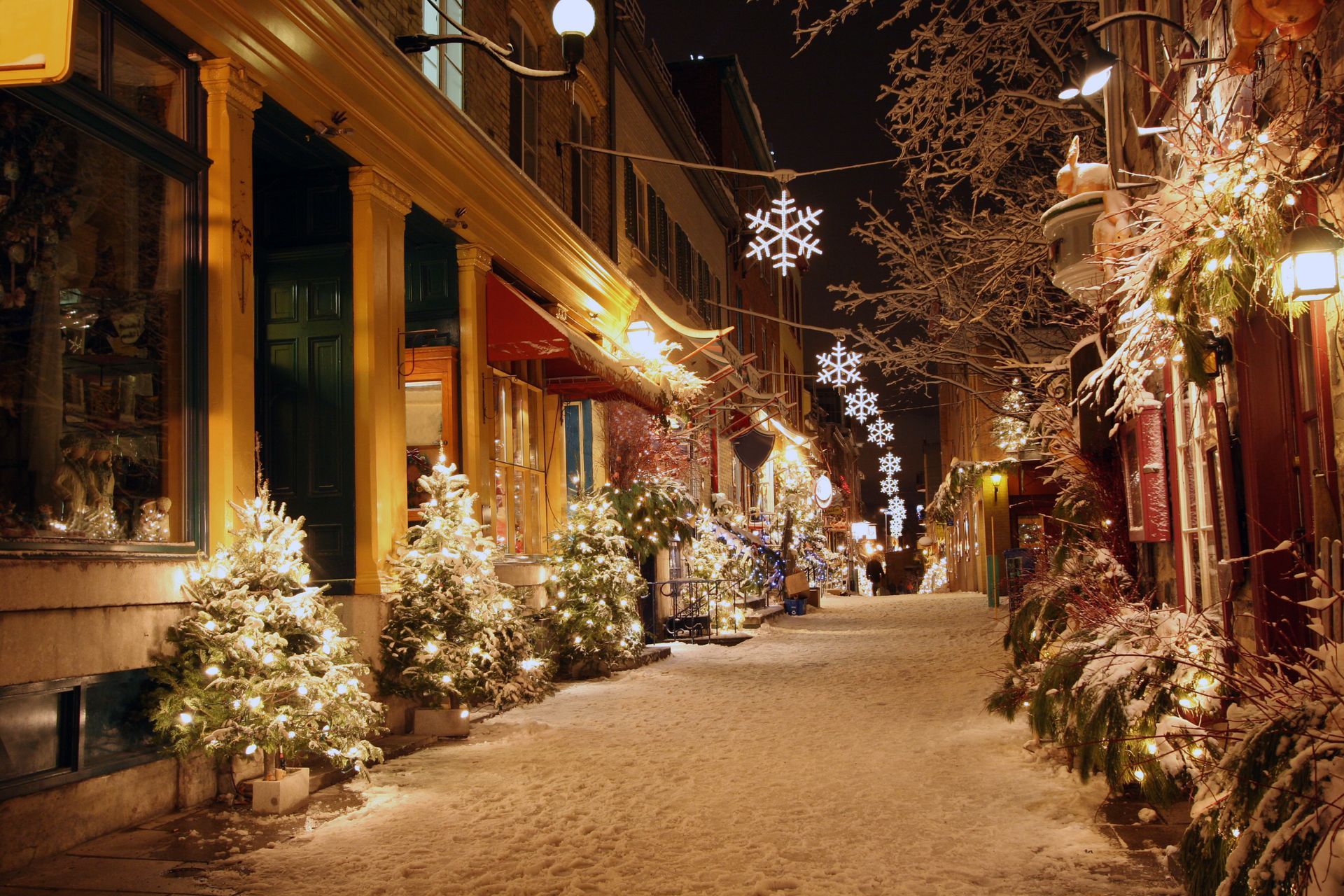
Snowy landscapes, skiing, Northern Lights opportunities, and cozy lodge experiences.
Travel Tip: For fewer crowds and stunning scenery, target late June or September for most regions.
Insider Planning Tips
Smart planning makes all the difference when traveling through Canada’s vast regions.
- Think regionally. Canada is best explored one or two regions at a time.
- Let distance work for you. Rail, short flights, and scenic drives each play a role.
- Book national parks early. Lodges and park access fill quickly in peak season.
- Pack layers. Weather shifts quickly — even in summer.
- Balance cities with nature. Pair Toronto with Muskoka, Vancouver with the Rockies, or Montréal with Québec countryside.
- Respect seasonal access. Some remote roads and parks are seasonal — timing matters.
Your Canada Journey, Answered
Your questions are where the journey begins. Here’s what travelers ask most — and how Latitude & Leisure turns answers into effortless escapes.
Do I need a visa to visit Canada?
Most U.S. travelers do not need a traditional visa to visit Canada for tourism. However, travelers arriving by air are required to obtain an Electronic Travel Authorization (eTA) prior to departure. The process is straightforward and typically approved quickly. Requirements can vary by nationality, so we confirm entry details early in the planning process to ensure a smooth arrival.
When is the best time to visit Canada?
Canada is a year-round destination, but the best time depends on your travel style. June through September is ideal for mountain scenery, wildlife viewing, rail journeys, and coastal exploration. September and early October are especially popular for fall colors, harvest season, and fewer crowds. Winter offers exceptional skiing, snow-covered landscapes, and Northern Lights opportunities in select regions.
How long should I plan for my trip?
Canada’s scale rewards thoughtful pacing. We typically recommend 7–10 days per region, focusing on one or two areas rather than trying to see everything at once. For journeys combining cities with nature — such as Vancouver and the Rockies — 10–14 days allows for a relaxed, immersive experience without feeling rushed.
What’s the best way to get around Canada?
The ideal way to get around depends on the region. Scenic rail journeys are iconic in the Canadian Rockies, while short domestic flights efficiently connect distant regions. In cities, public transit and private transfers work well, and selective car rentals are best for rural or coastal areas. We design transportation plans that balance comfort, scenery, and efficiency.
Is Canada good for first-time international travelers?
Yes — Canada is one of the easiest and most welcoming destinations for first-time international travelers. English and French are widely spoken, infrastructure is excellent, and the travel experience feels familiar while still offering a strong sense of discovery. It’s an ideal choice for travelers seeking natural beauty with seamless logistics.
What wildlife might I see in Canada?
Wildlife encounters vary by region and season. Travelers may see elk, moose, bears, whales, sea lions, eagles, and wolves, depending on where and when they travel. We prioritize ethical viewing opportunities, working with experienced local guides and selecting regions and seasons that maximize sightings while respecting the natural environment.
Can I combine Canada with Alaska or the United States?
Absolutely. Canada pairs beautifully with Alaska, particularly via coastal cruises or rail journeys through Western Canada. It also combines easily with nearby U.S. destinations such as Seattle, New England, or the Pacific Northwest. We design seamless cross-border itineraries that handle logistics, timing, and transitions smoothly.
Is Canada accessible for travelers with mobility or sensory needs?
Canada is generally accessible, especially in major cities and national parks with adapted facilities. That said, accessibility can vary in historic areas and remote lodges. We work closely with our partners to arrange appropriate accommodations, transportation, and experiences, ensuring each journey is tailored to individual mobility, sensory, or pacing needs.
What festivals and seasonal events should I know about?
Canada hosts vibrant seasonal events throughout the year — from summer music and cultural festivals to fall harvest celebrations and winter holiday markets. Highlights include Montréal’s festival season, Calgary Stampede, Québec City’s Winter Carnival, and Indigenous cultural gatherings. Timing your trip around these events can add depth and local character to your journey.
What should I pack for Canada?
Layering is key. Even in summer, temperatures can shift throughout the day, especially in mountain and coastal regions. Comfortable walking shoes, weather-resistant outerwear, and versatile clothing are essential. For winter travel, proper cold-weather gear is important. We provide destination- and season-specific packing guidance as part of your planning process.
Enhance Your Canada Journey
Thoughtfully selected tours and excursions — seamlessly added to your itinerary.
