France:
Timeless Beauty & Art de Vivre
France is a masterclass in style and soul. Paris shimmers with grand boulevards, quiet courtyards, and world-class museums; beyond the city, lavender plains, storybook châteaux, river valleys, and seaside villages invite you to slow down and savor. From Michelin dining to market picnics, vineyard tastings to cathedral spires, every region has a rhythm—and a reason to linger.
Whether you drift along the Seine or Rhône, follow wine roads through Burgundy and Bordeaux, or chase coastal light from Normandy to the Riviera, we pair iconic moments with insider access and thoughtful pacing to make your journey unforgettable.
Plan Your Dream France Journey
Not sure where to begin? Start with a free
interactive
France Bucket List — a curated guide designed to help travelers dream big, stay organized, and capture the magic of timeless France.
Or, explore a Sample Itinerary to see how a custom journey can unfold — from Parisian icons and Loire Valley châteaux to sunlit vineyards and river cruises through the heart of the country.
Regions That Shape the Journey
Every corner of France carries its own story—from café culture and châteaux to vineyards, river valleys, and sparkling shores.
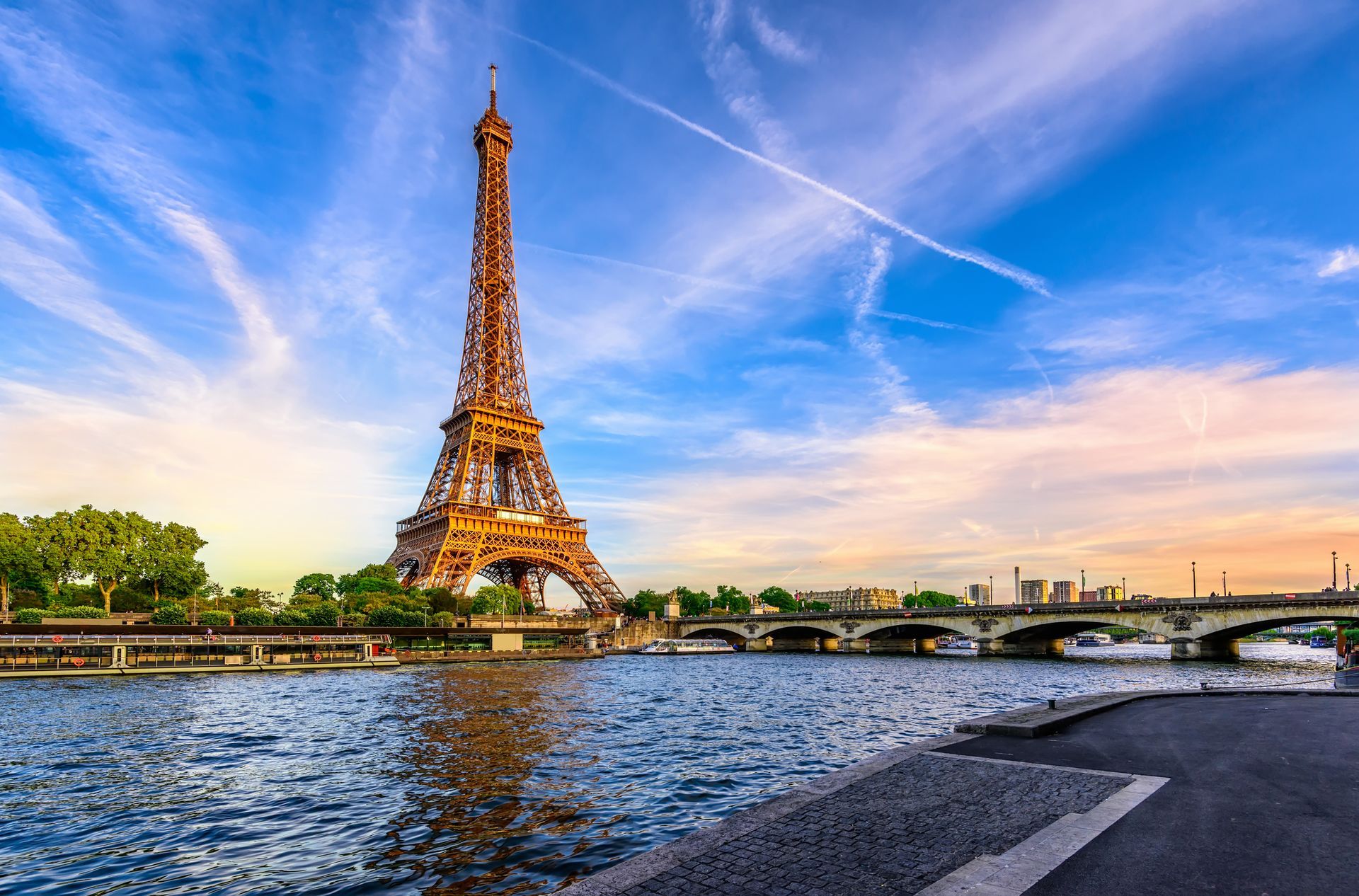
City of Light, Timeless Allure
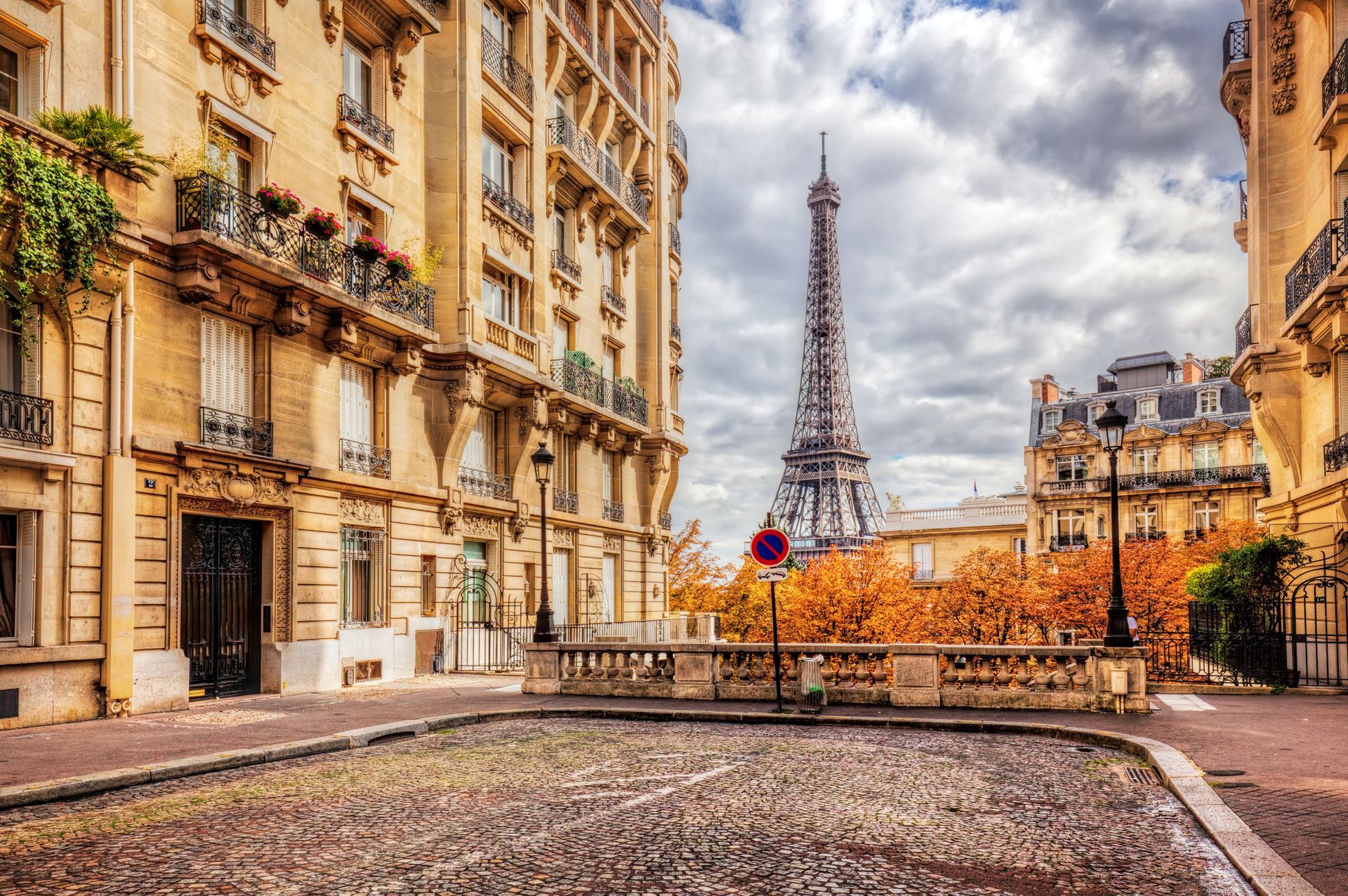
Paris moves with quiet confidence — a city of golden bridges, wide boulevards, and whispered conversations in corner cafés. From sunrise on the Seine to the glittering Eiffel Tower at night, every street reveals a story layered in art, history, and elegance.
This is where romance meets rhythm: stroll past the Louvre’s glass pyramid, sip champagne from a rooftop terrace, linger in bookshops and hidden courtyards, or watch the sunset from Pont Alexandre III. Whether it’s your first visit or your fifth, Paris never tells the same story twice.
Highlights: Eiffel Tower · Louvre & Musée d’Orsay · Montmartre · Seine river cruise · Saint-Germain cafés · Versailles day trip
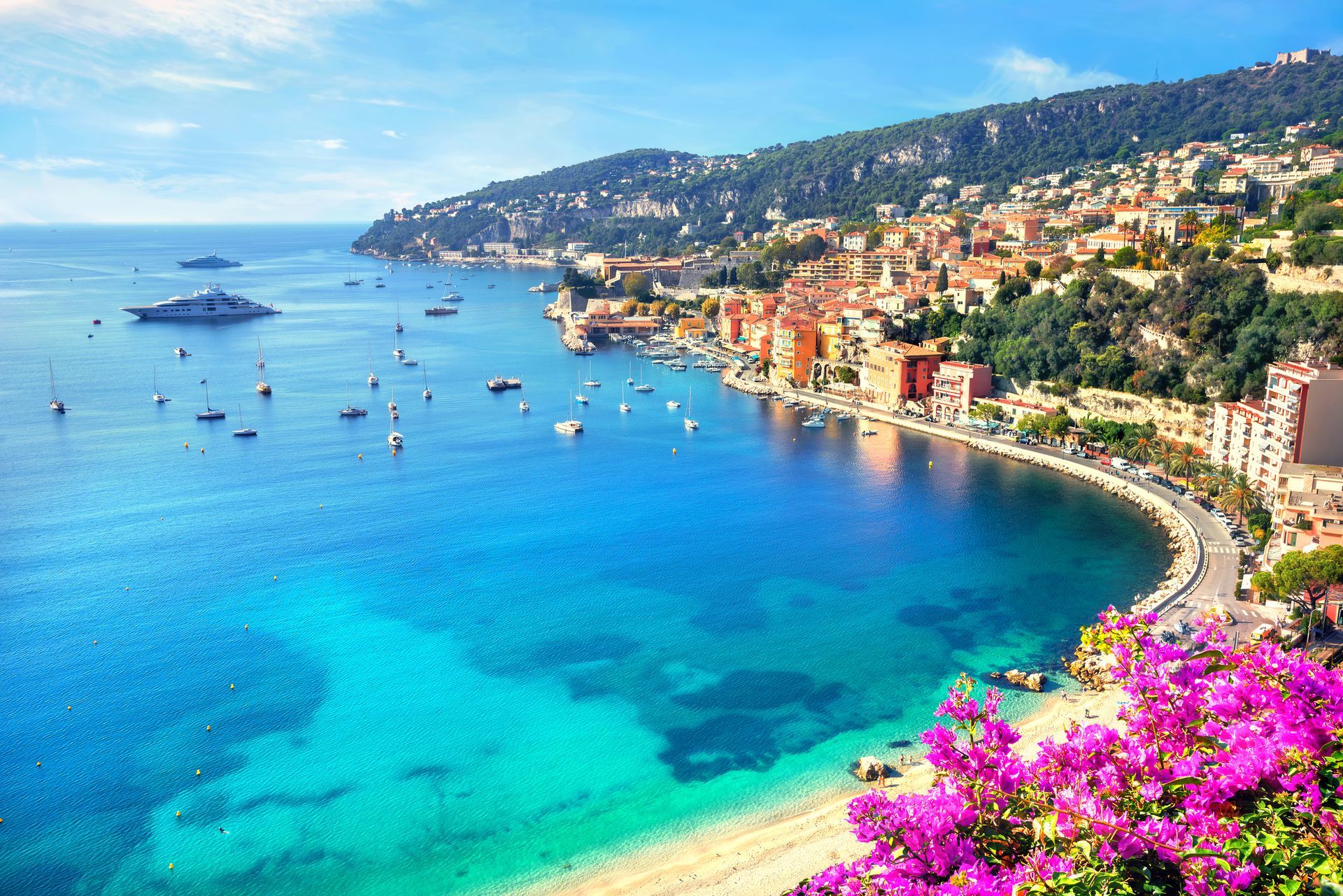
Sunlight, Scent & the Sea
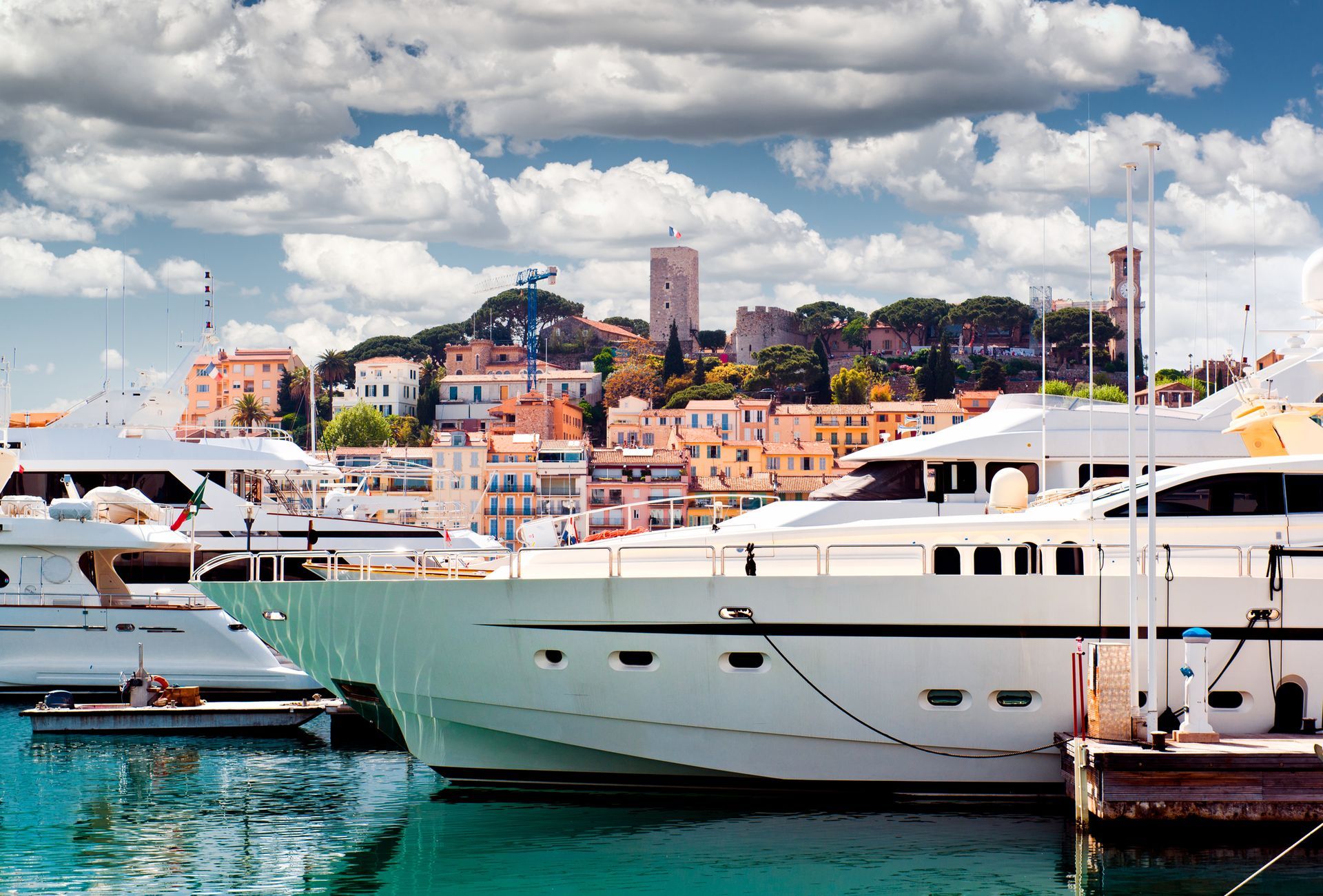
In Provence, the air itself feels warmer — scented with lavender, sea salt, and sun. Medieval hill towns overlook olive groves, while the Riviera glows with Mediterranean light. Markets brim with color, rosé flows freely, and time slows to the pace of long summer afternoons.
This is a place for coastal drives, vineyard picnics, and dipping into hidden coves. Whether you’re wandering through the lavender fields of Gordes or cruising the glittering bay of Nice, Provence offers a sensory immersion that lingers long after you leave.
Highlights: Gordes & Roussillon · Lavender fields · Calanques boat day · Nice & Antibes · Grasse perfumery · Saint-Tropez coast
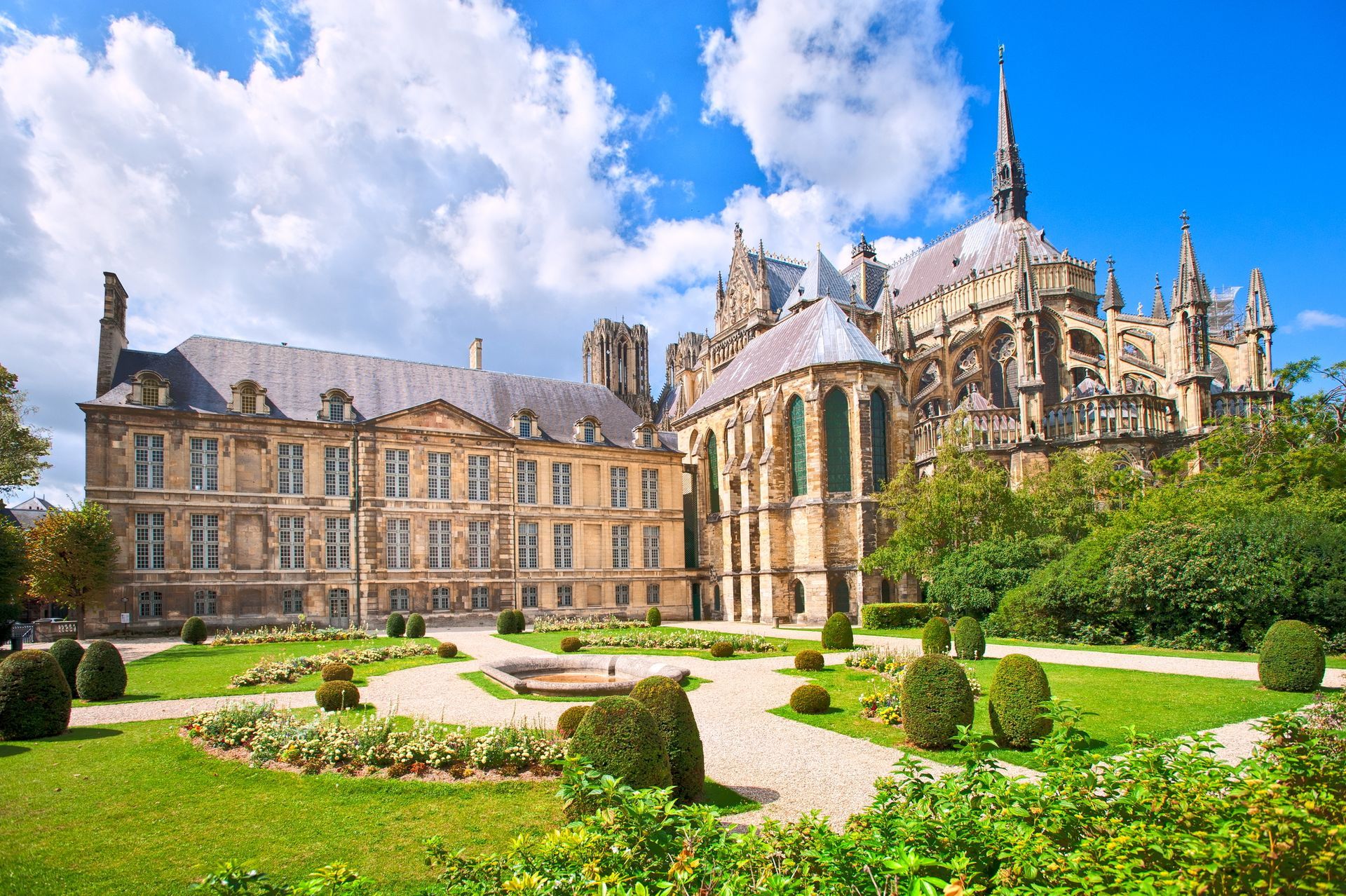
Châteaux & River Days
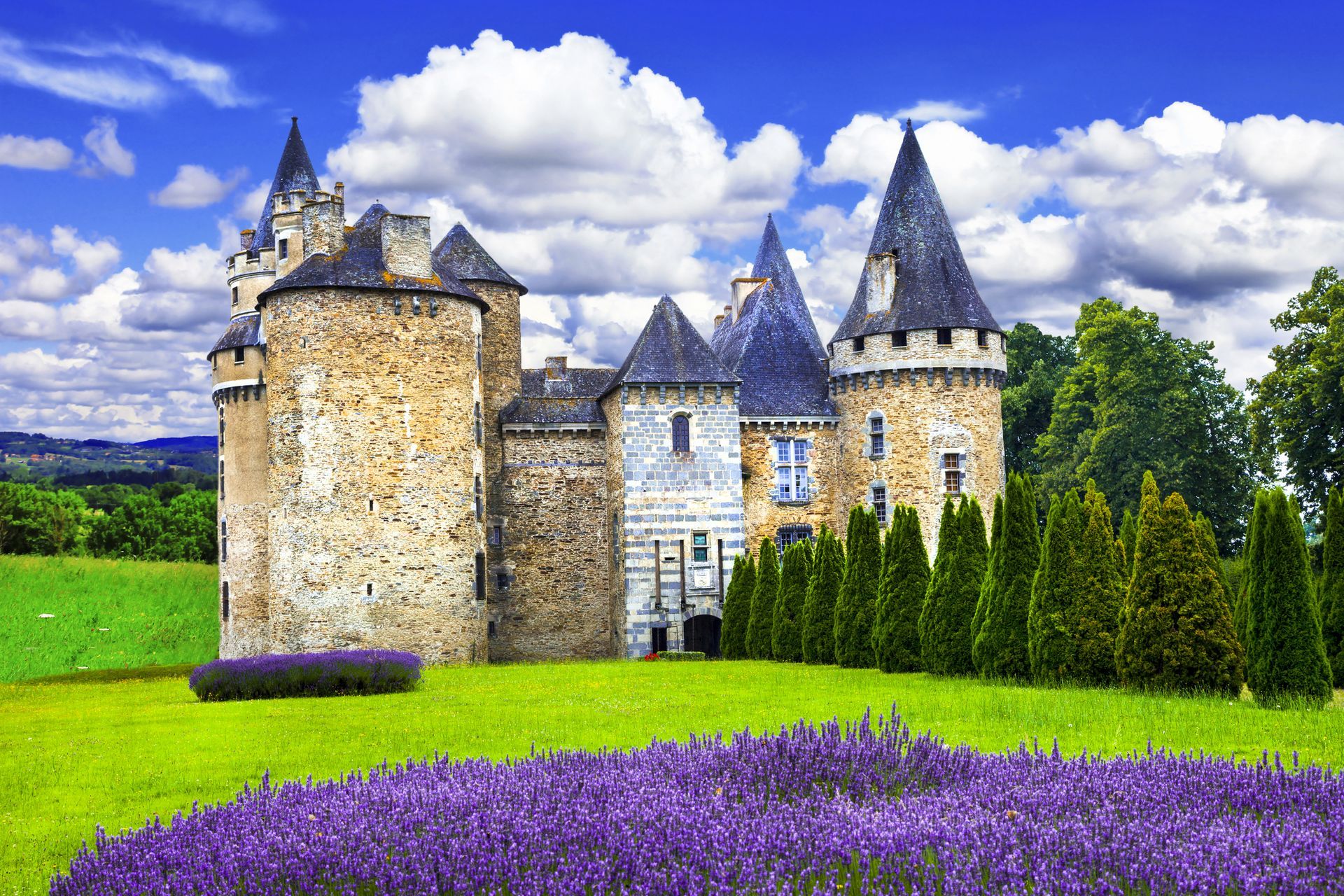
The Loire Valley feels like stepping into a storybook. Grand châteaux rise from misty riverbanks, vineyards stretch toward the horizon, and cycling trails wind past wildflower meadows. Evenings are best spent under twinkling lights with a glass of Chenin Blanc in hand.
This region invites travelers to slow down — to wander through manicured gardens, glide along gentle waterways, and linger in quiet villages where history hums softly through the stone walls.
Highlights: Château de Chenonceau · Amboise · Saumur cellars · Cycling Loire à Vélo · Château de Chambord
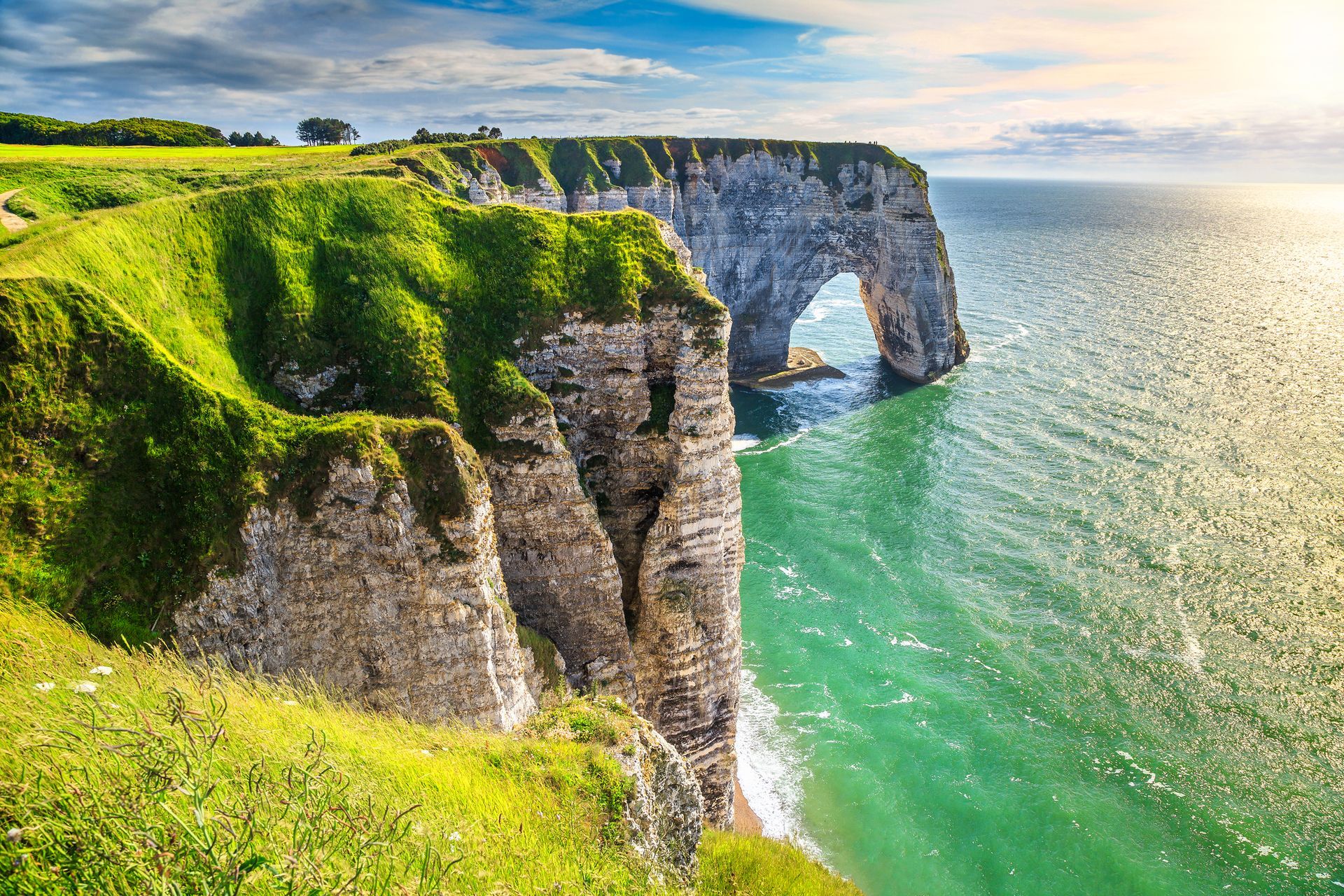
Windswept Shores & Living History
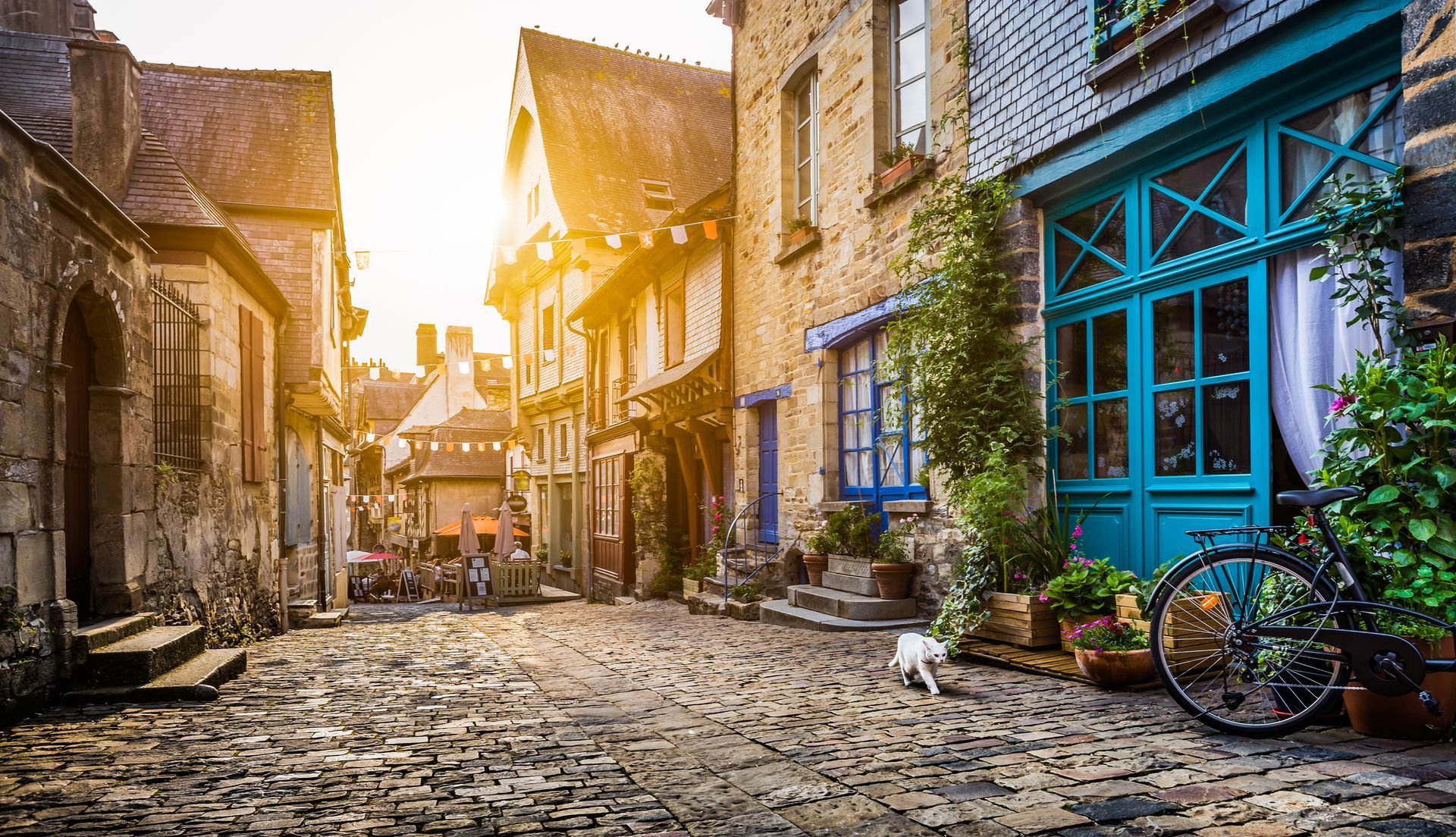
Along Normandy’s rugged coastline, pastures roll to the sea, cathedrals rise from village squares, and tides swirl around Mont Saint-Michel like a fairytale. In Brittany, fishing harbors, oysters, and half-timbered towns set a slower, earthier pace.
This region blends reflection and wonder: stand at the D-Day beaches, explore cobblestone lanes in Bayeux, and sip cider at a seaside café. It’s France at its most authentic and evocative.
Highlights: D-Day Beaches · Bayeux Tapestry · Mont Saint-Michel · Saint-Malo · Étretat Cliffs · Breton seafood markets
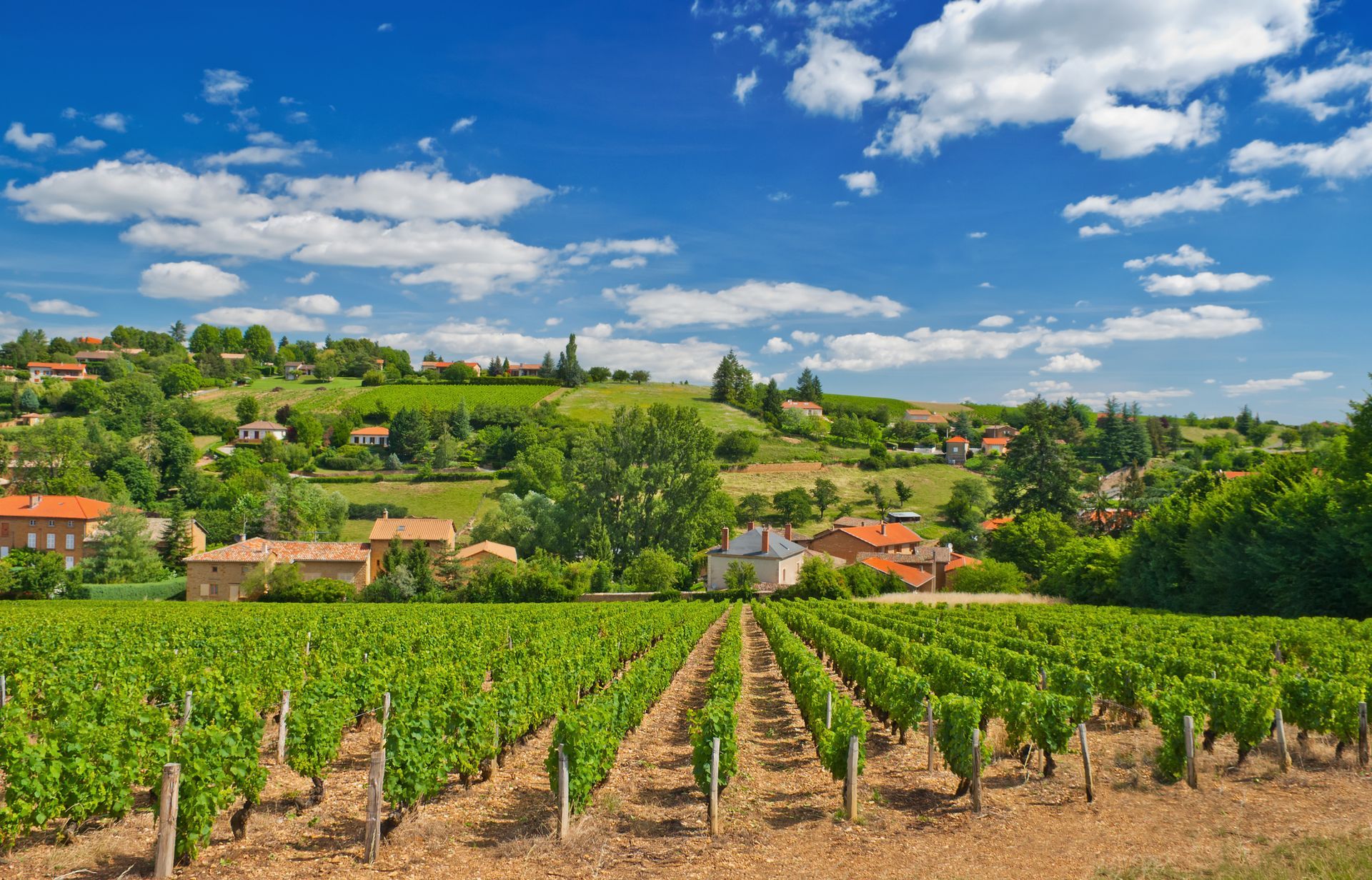
Wine Roads & River Bends
Bordeaux seduces through the senses — golden vineyards, sun-dappled rivers, and wines that tell centuries-old stories. Medieval bastides, ancient caves, and open-air markets reveal a region made for those who savor.
Here, travel moves at a tasting pace: linger over wine pairings in Saint-Émilion, float down the Dordogne by boat, and wander through markets that hum with local life.
Highlights: Saint-Émilion wine tastings · Garonne river walks · Grotte de Lascaux · Sarlat-la-Canéda market · Médoc vineyards
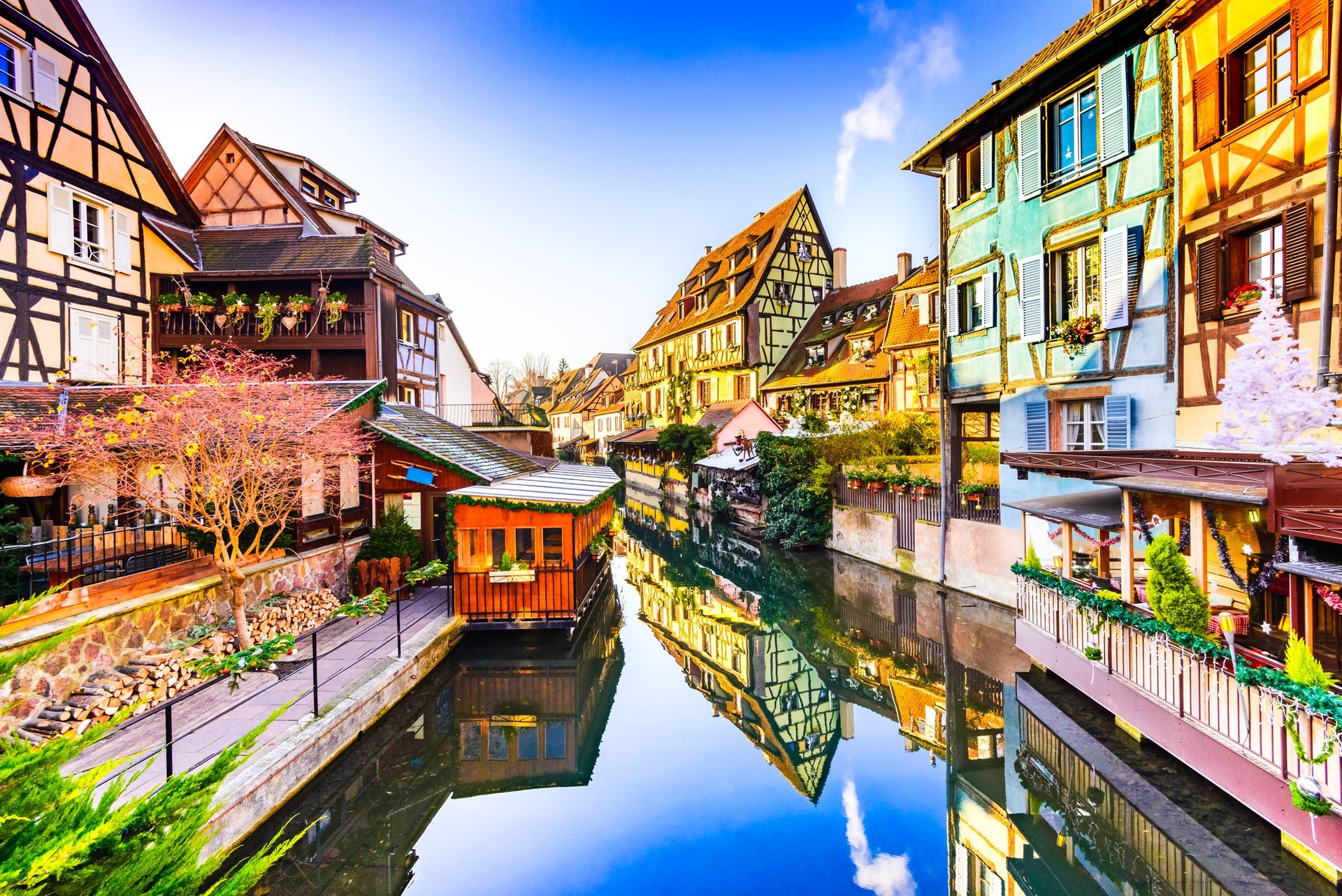
Half-Timbered Charm & Alpine Views
Alsace feels like a bridge between worlds. Pastel villages with flower-draped balconies sit between rolling vineyards, and spired cathedrals rise above cobblestone lanes. In winter, the region sparkles with some of Europe’s most magical Christmas markets.
Sip your way along the Route des Vins, sample hearty cuisine that blends French and German flavors, and linger under twinkling lights with a warm mulled wine in hand.
Highlights: Colmar & Riquewihr · Route des Vins d’Alsace · Strasbourg Cathedral · Christmas markets · Vosges foothills walks
Signature Ways to Explore — Expertly Crafted Journeys
There’s no single way to experience France—only the one that’s right for you. We pair icons with insider access, thoughtful timing, and a touch of effortless luxury.
City & Châteaux
Paris & Loire
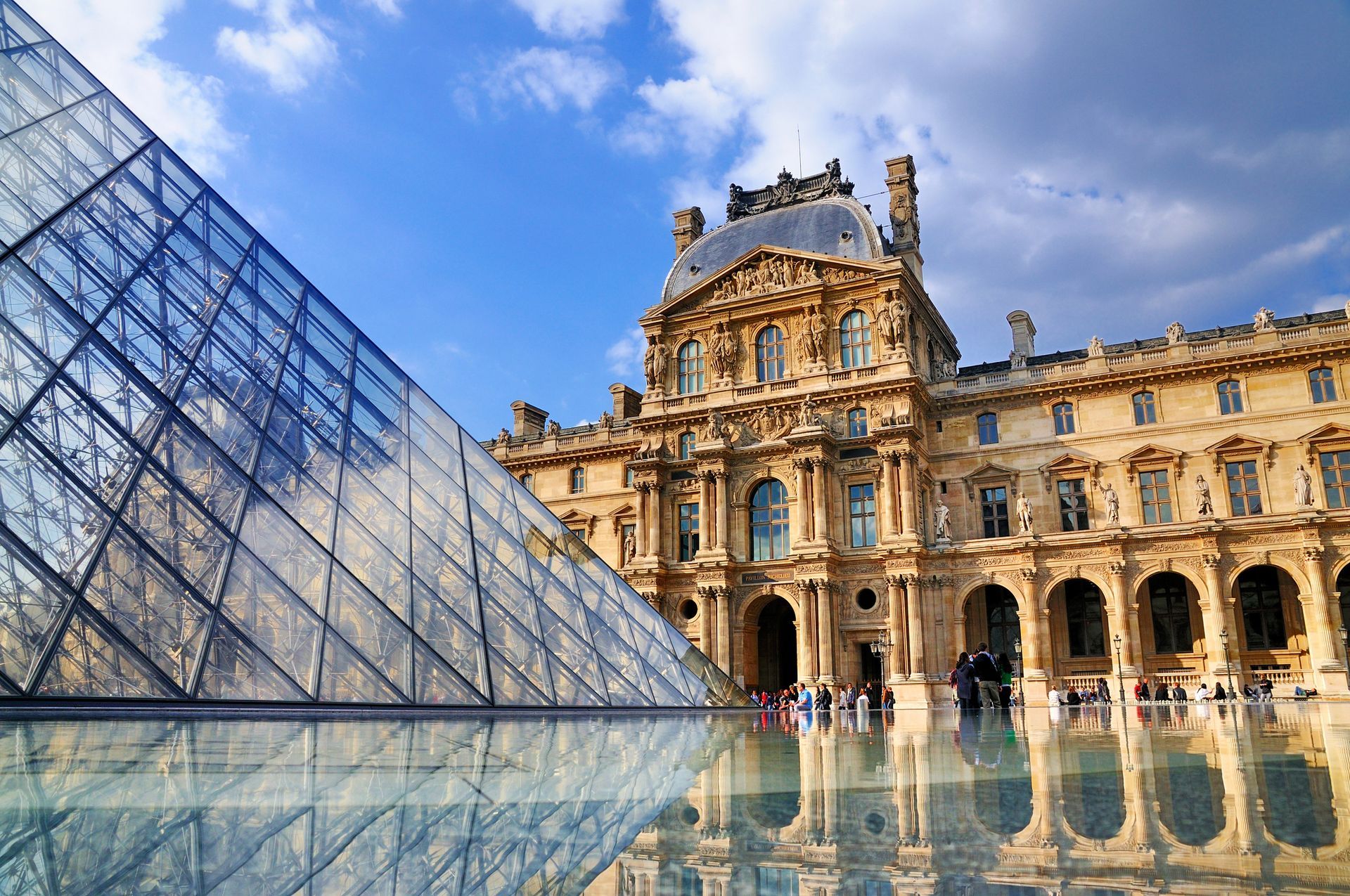
Private museum entries, river evenings, and château nights.
Riviera Light
Provence & Côte d’Azur
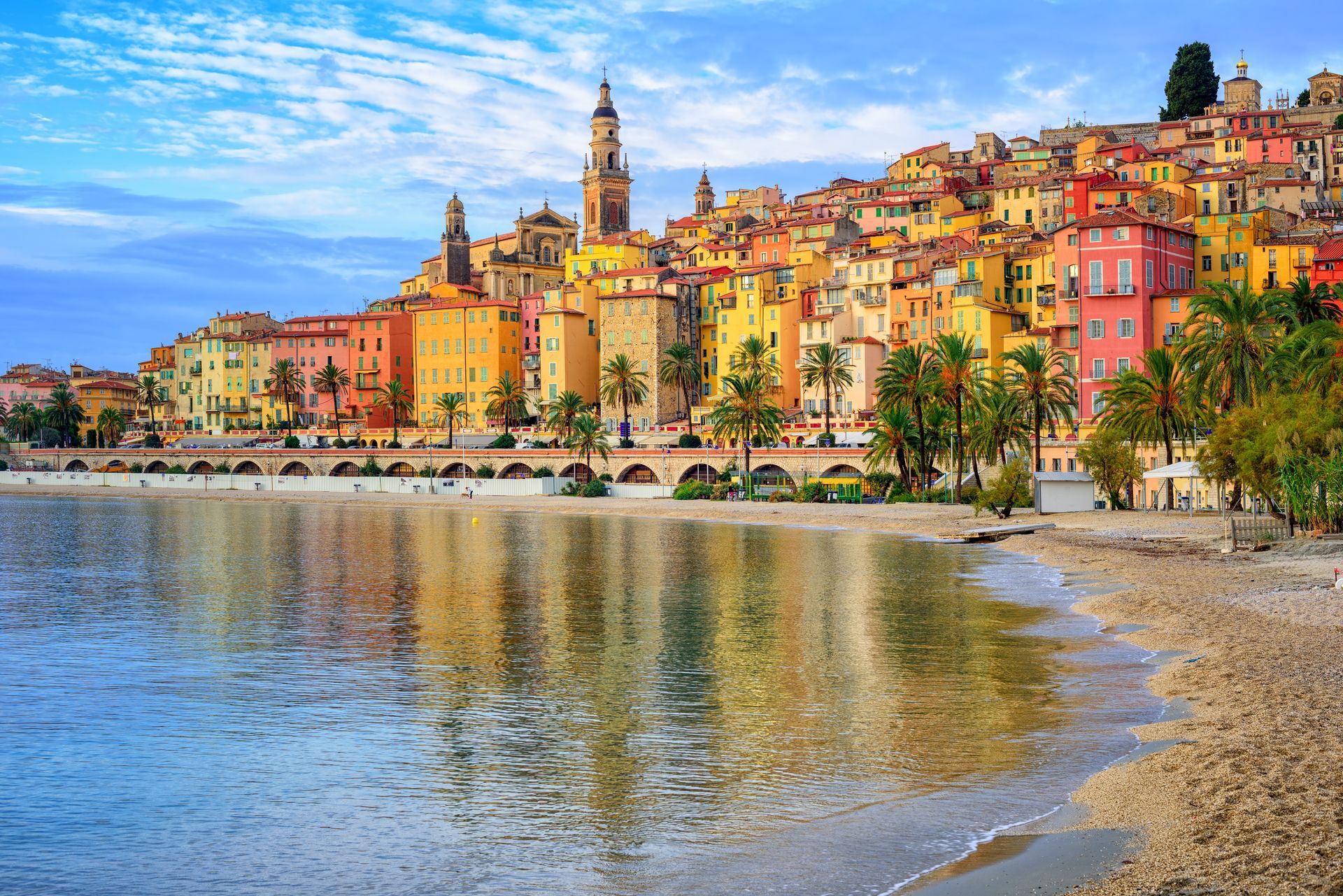
Markets, hill towns, coastal drives, and slow lunches.
Wine Routes & River Days
Bordeaux · Burgundy · Rhône
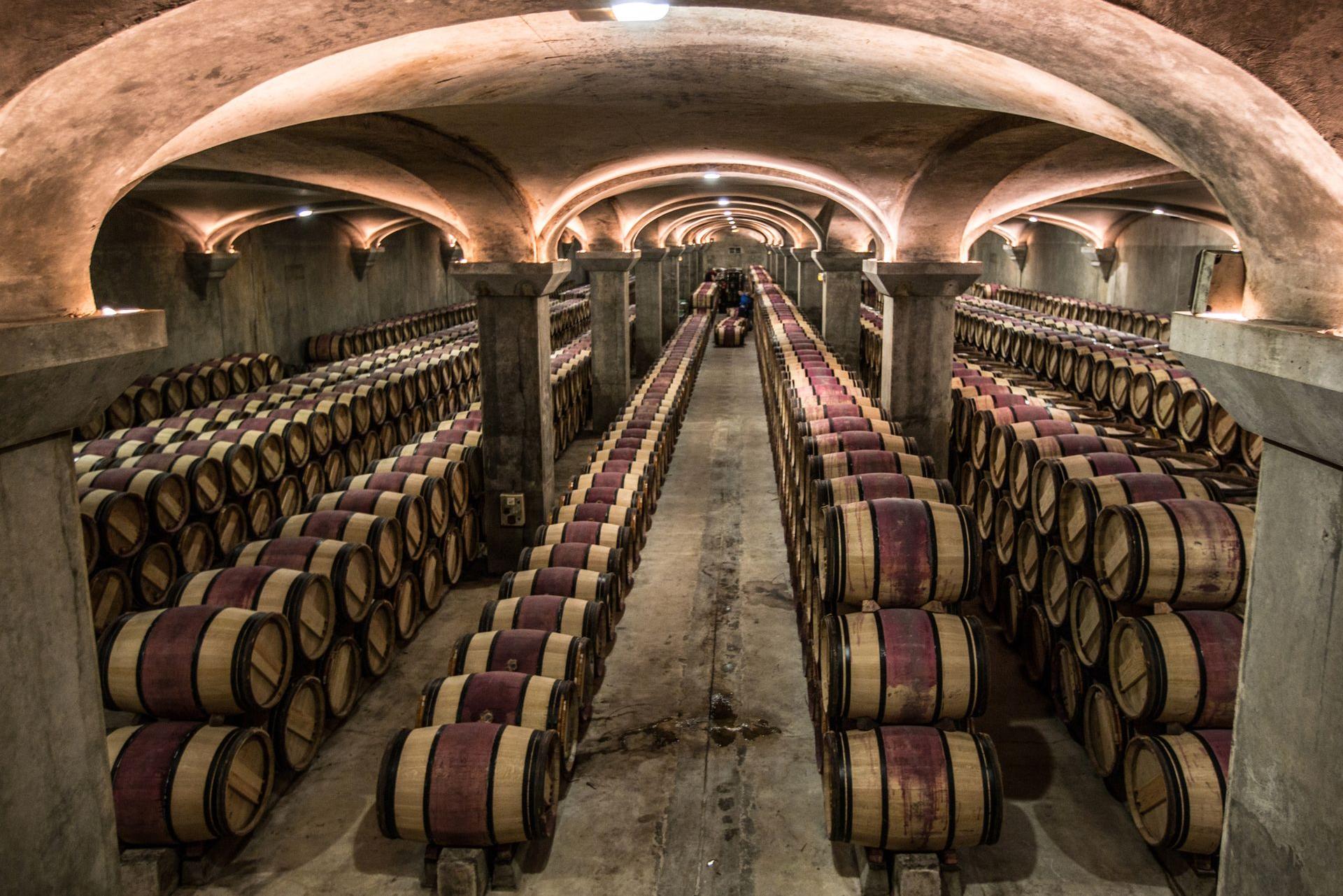
Tasting rooms by day, river cruising by night.
History & Heritage
Normandy & Alsace
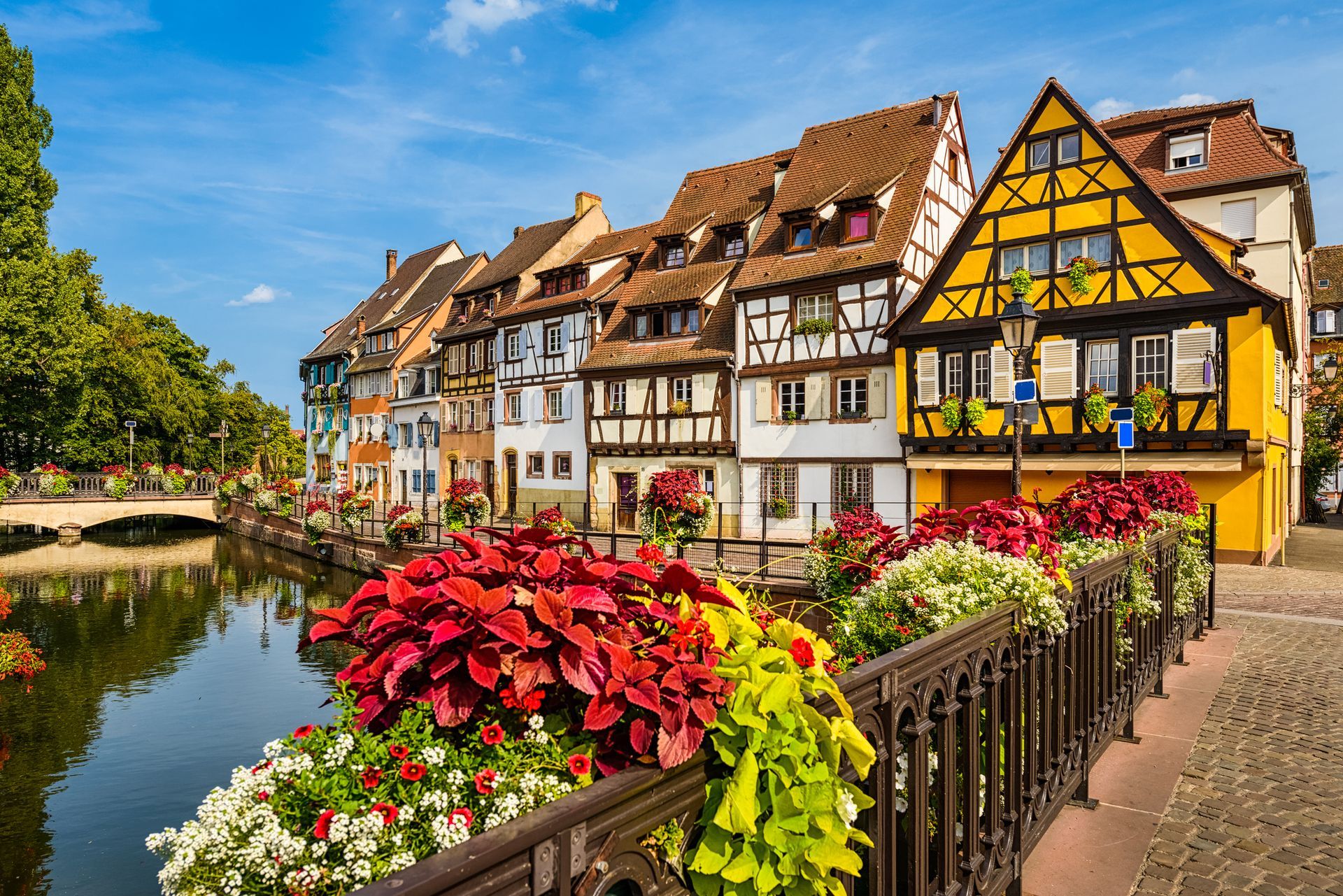
Living history, cathedral spires, and storybook villages.
Seasonal Feature: Spring Blossoms & Summer Nights — From April’s garden glow and lavender season to late-evening golden hours on the Riviera, France shines brightest from April through October.
Best Time to Journey
Every season paints France in a different light—from spring blossoms and café terraces to autumn harvests and twinkling winter markets.
Spring
April-June
Mild weather, gardens in bloom, ideal for Paris + countryside.
Summer
July–August
Festival season and Riviera vibes; book early and plan for heat.
Fall
September–October
Wine harvests, golden countryside, comfortable city exploring.
Winter
November–March
Paris museums at their best, Alps skiing, Alsace Christmas markets.
Travel Tip: For fewer crowds and perfect walking weather, target May–June or late September–October.
Insider Planning Tips
Smart timing and thoughtful pacing make all the difference in unlocking France’s magic.
- Link city and country. Paris pairs beautifully with the Loire, Burgundy, or Normandy for balance.
- Book key entries. Timed access (Louvre, Versailles) preserves your day’s flow.
- Cruise strategically. Seine and Rhône routes unlock depth with minimal packing/unpacking.
- Rail > road (often). High-speed TGV connects regions efficiently; add a short car rental for rural stays.
- Dine with purpose. Mix Michelin moments with market picnics and neighborhood bistros.
- Mind closures. Many restaurants close on Sundays/Mondays; museums vary—plan around them.
- Travel light. Historic hotels and train stations favor smaller luggage.
Your France Journey, Answered
Your questions are where the journey begins. Here’s what travelers ask most — and how Latitude & Leisure turns answers into effortless escapes.
Do I need a visa to visit France?
For most U.S. passport holders, no visa is required for stays of up to 90 days within the Schengen Area. Beginning in late 2026, travelers will need to apply online for an ETIAS travel authorization before departure. It’s a quick pre-screening process — not a traditional visa — but it will be required for entry. Travel requirements can evolve, so itineraries are always designed with these timelines in mind to avoid last-minute surprises.
When is the best time to visit France?
Spring and fall (April–June, September–October) offer ideal weather, lively markets, and lighter crowds. Summer brings long Riviera days, festivals, and lavender fields in full bloom, while winter means cozy city breaks and Christmas markets. Travel is timed around what matters most to you — whether that’s a river cruise under summer sun or crisp mornings wandering Paris in the fall.
How long should I plan for my trip?
France reveals itself best over 7 to 14 days.
- 7–10 days: Paris paired with one region such as Loire Valley, Provence, or Normandy.
- 12–14+ days: Multi-region journeys or river cruise pairings that allow for deeper exploration.
Each itinerary is designed with flow — unhurried transitions, well-paced stays, and time to savor each stop rather than racing through a checklist.
What’s the best way to get around France?
The high-speed TGV rail network connects cities and regions efficiently, while river cruises provide a slower, more immersive way to explore. In rural areas like Provence or Alsace, short car rentals open up scenic backroads and tucked-away villages. Routes are built with connection times in mind, creating a smooth, uninterrupted journey.
Can I drive in France as a visitor?
Yes. A valid U.S. driver’s license works for most short stays, though an International Driving Permit is recommended. Driving shines in the countryside — think wine roads, sunflower fields, and châteaux — rather than congested city centers like Paris. Routes are chosen for beauty and ease, not stress.
What’s unique about French dining?
Meals in France are rituals, not quick stops. Lunch begins later, many restaurants close one or two days a week, and reservations are often essential. Tipping is minimal since service is included. Travel plans are built with dining in mind — from securing coveted tables to carving out slow afternoons in sunlit cafés or market courtyards.
Can I pair France with other destinations?
Absolutely. Eurostar connects Paris to London in just 2.5 hours, and rail links extend easily to Italy, Switzerland, Germany, and beyond. Thoughtfully planned itineraries can blend multiple countries without feeling rushed — whether it’s a weekend in London or a river cruise through the heart of Europe.
Is France accessible for travelers with mobility or sensory needs?
Major cities and transport hubs offer strong accessibility infrastructure, while historic villages can have limitations. Selecting the right hotels, transfers, and tours ensures ease of movement throughout the journey, even in less modern areas.
What festivals and events should I know about?
- Spring: Paris Marathon, cherry blossoms, Easter markets
- Summer: Bastille Day fireworks, lavender season in Provence, Cannes Film Festival
- Fall: Wine harvest festivals, Montmartre grape harvest, Nuit Blanche art night
- Winter: Strasbourg Christmas Market, Lyon Festival of Lights
Trips are timed so that these cultural moments enhance your experience — never overwhelm it.
What should I pack for France?
Think versatile, polished, and comfortable. Layers, breathable fabrics, and good walking shoes will carry you through most days. A lightweight scarf and a touch of personal style go a long way in France, where elegance is effortless. Packing lists are customized to your season, itinerary, and the rhythm of your journey.
Enhance Your France Journey
Thoughtfully selected tours and excursions — seamlessly added to your itinerary.
